Cold Weather Resources and Information
Staying Healthy During Oregon's Winter Season
When the weather gets colder in Oregon, it’s important to stay safe and warm. Cold, wet, and windy weather can be hard on your body and may lead to health problems like hypothermia or frostbite.
At Neighborhood Health Center, we care about you and your family all year long. This page shares easy tips to help you stay healthy during the winter. You’ll find local resources and simple ways to prepare your home.
Emergency Resources
Warming Shelters
Warming shelters provide a safe, warm place during cold weather.
Winter Clothing Programs
Winter clothing programs provide warm clothing for those in need.
- Clackamas County: Clackamas Service Center
- Washington County: Family Justice Center of Washington County
- Multnomah County: Transition Projects
- Marion County: Helping Hands Resources
- For children aged 0-6: With Love Oregon
Utility Resources
There are programs in Oregon that provide energy bill assistance to low-income Oregonians.
- Oregon Energy Fund: Energy Assistance
- Oregon Housing and Community Services: Utility & Weatherization Assistance
Transportation
If you're riding in snow or ice, here's what you should know.
- TriMet: Winter service information
- TripCheck: Road and weather conditions map
Cold Weather Health Risks
Cold weather can be harmful to your health. It can lead to hypothermia (when your body gets too cold) or frostbite (when skin freezes).
This can happen if you stay outside too long, do not wear warm clothing, or get wet in cold temperatures.
Children, older adults, and people with health problems may be at greater risk.
Hypothermia
Hypothermia happens when a person’s body gets too cold. When this happens, the heart and other organs may not work properly. Hypothermia is a medical emergency and can be life-threatening.
Signs of hypothermia include:
-
Shivering, slow breathing, or a weak pulse
-
Confusion, feeling very tired, trouble remembering things, or slurred speech
-
Passing out
-
In babies: bright red, cold skin
If you think someone has hypothermia, call 911 or go to the nearest hospital right away.
While waiting for help:
-
Remove wet clothing
-
Cover them with warm, dry clothes or blankets
-
Move them gently — sudden movement can be dangerous
Frostbite
Frostbite happens when skin becomes very cold and starts to freeze. This can damage the skin and tissues underneath if it is not treated.
Signs of frostbite may include:
-
Numbness, tingling, or pain
-
Skin that looks pale, red, or uneven in color
-
Stiff fingers or toes
-
Blisters after warming the area
Get medical help right away if someone has strong pain, shivering, slurred speech, feels very sleepy, or has trouble walking.
Call 911 or go to the nearest emergency room.
How to help prevent hypothermia and frostbite
Staying warm and dry can help protect you in cold weather.
-
Limit time outside when it’s very cold or freezing
-
Watch for early warning signs, like numbness or shivering
-
Bring extra warm clothes and emergency supplies when traveling
-
Avoid alcohol and drugs, which can make it harder to stay warm
-
Drink water and eat regular, healthy meals
Staying Safe Indoors During Cold Weather
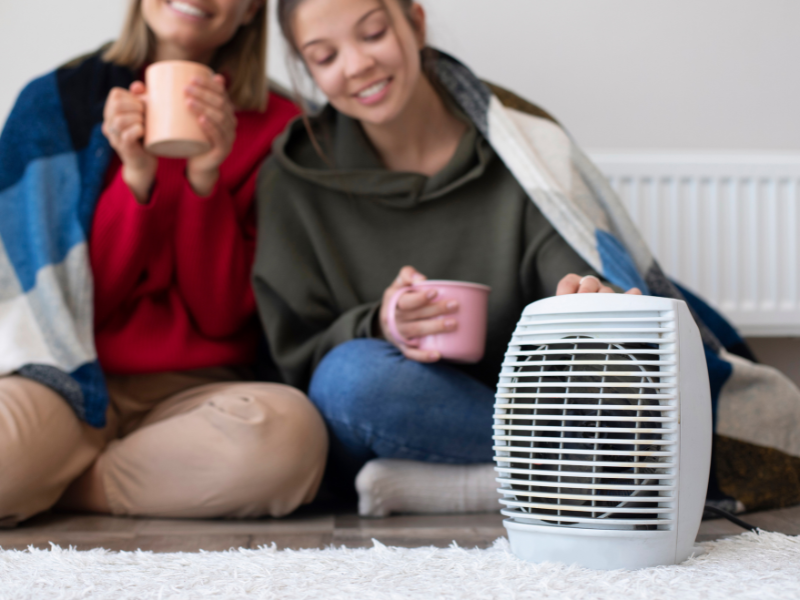
Safe Indoor Heating Practices
Staying warm during winter is essential, but it must be done safely. These tips outline best practices for safe indoor heating and fire prevention.
- Leave at least 3 feet (1m) of space around fires and space heaters
- Plug in only one heating appliance (like a space heater) at a time
- Never use extension cords with heating appliances
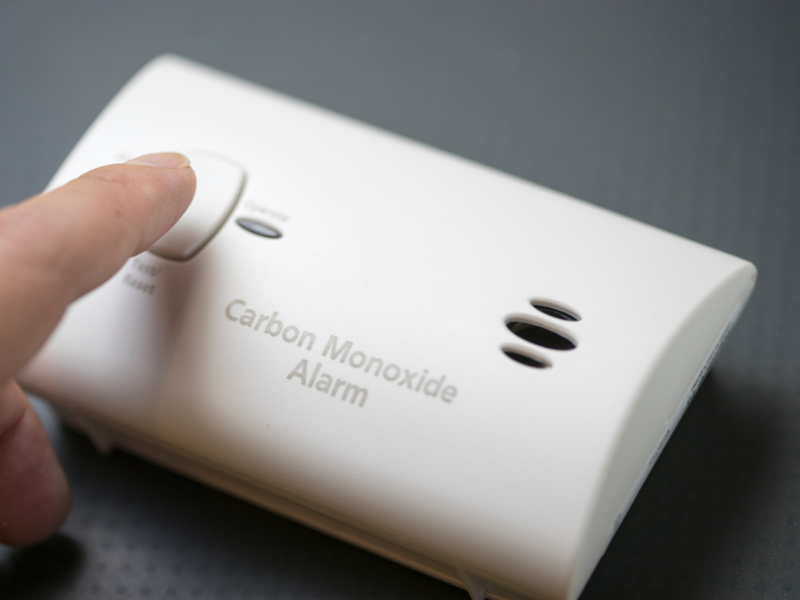
Preventing Carbon Monoxide Poisoning
Carbon monoxide is a gas that comes from burning fuel, wood, propane, or charcoal. If the gas is not vented outside, it can build up to a dangerous level. If you are exposed to carbon monoxide, go outside to get fresh air. You should also get medical attention or call 911 if someone is unconscious or can’t respond.
- Use carbon monoxide detectors and check the batteries twice a year
- If a carbon monoxide detector alarm sounds, leave the space
- Open the garage door before starting the car
- Never use a stove or oven for heat
- Have a professional set up appliances that use gas, oil, or coal
- Clean your fireplace chimney and flue every year
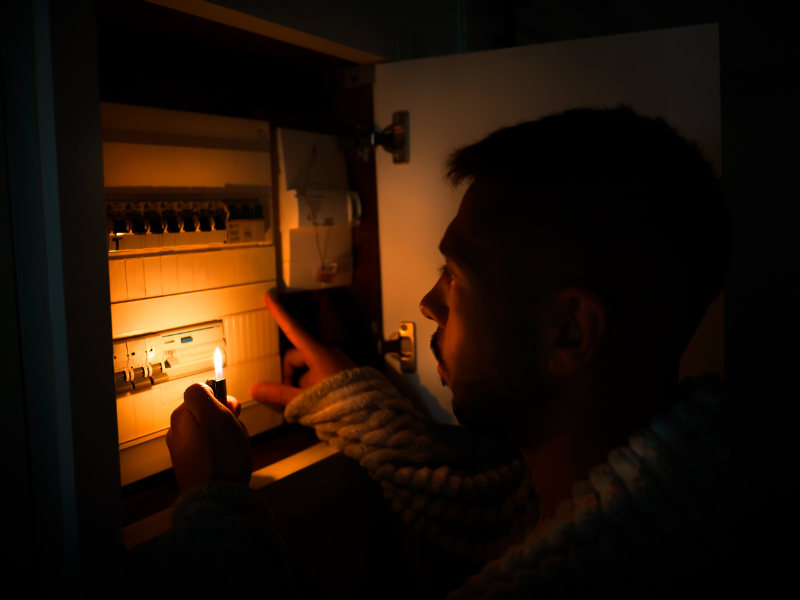
Staying Safe During Power Outages
- Be prepared for power outages to keep your family safe and comfortable until power is back on. Here’s a guide to help:
- Oregon Department of Emergency Management: Essential Steps to Stay Safe and Warm
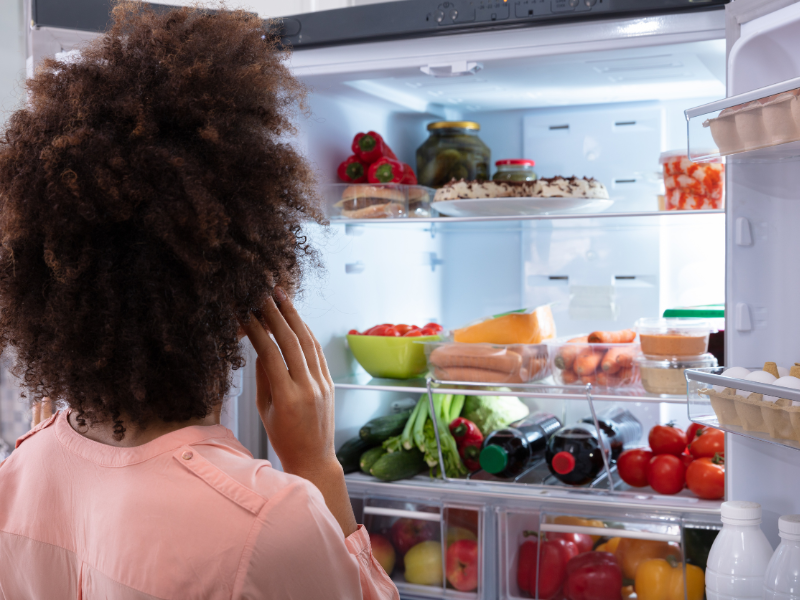
Food and Medication Storage in Freezing Temperatures
If the power goes out, your food and medicine are at risk of going bad. Check out these guides on how to properly store and monitor these items:
- FoodSafety.gov: Food Safety During a Power Outage
- CDC: Food, Water, and Medication Safety
Winter Storm Checklists
Preparing ahead of time can help keep you and your family safe during winter storms. These checklists show key steps to take before severe winter weather arrives.
Is Your Clinic Open? Check Here First.
Snow, ice, winter storms, and other emergencies can impact clinic hours. Look here for the latest updates before heading to your appointment.