Health Literacy 101
Making Sense of Your Healthcare
Healthcare can feel overwhelming, and you are not alone in that. Whether you are trying to understand your insurance, figure out where to go when you are sick, or learn what to expect at your next visit, we are here to help. This library of articles is written in plain language, just for you. No complicated terms. No confusion. Just clear, honest information to help you feel more confident about your health and your care.
Jump to a specific section:
Health Insurance | Navigating the Healthcare System | Preventive Care & Wellness | Women's & Sexual Health | Behavioral Health | Medications | Whole-Person Care
Health Insurance

Understanding Medicaid Coverage & Oregon Health Plan
Access to healthcare should never depend on your income. If you live in Oregon and have a low or moderate income, you might qualify for the Oregon Health Plan (OHP) — Oregon's version of Medicaid. OHP offers free or low-cost health coverage, including medical, dental, and mental health care.

What You Need to Know About Medicare
Medicare can feel complicated, but it doesn’t have to be. With the right information, you can understand how it works, who qualifies, and how it can support your health. This guide breaks it down step-by-step. It will also explain how Neighborhood Health Center (NHC) can help you get the most from your coverage.

Understanding Your Health Insurance
Having health insurance is an important step toward protecting your health and your wallet. But having insurance is only the first part. Knowing how to use it helps you get the care you need, without surprise bills or unnecessary stress.

What Is Prior Authorization and Why Does It Affect My Medication?
If you’ve ever gone to the pharmacy to pick up a prescription and been told, “Your insurance needs prior authorization.” You are not alone. This article explains what prior authorization is, why it happens, how it can affect your care, and what you can do if it impacts your medication or treatment.
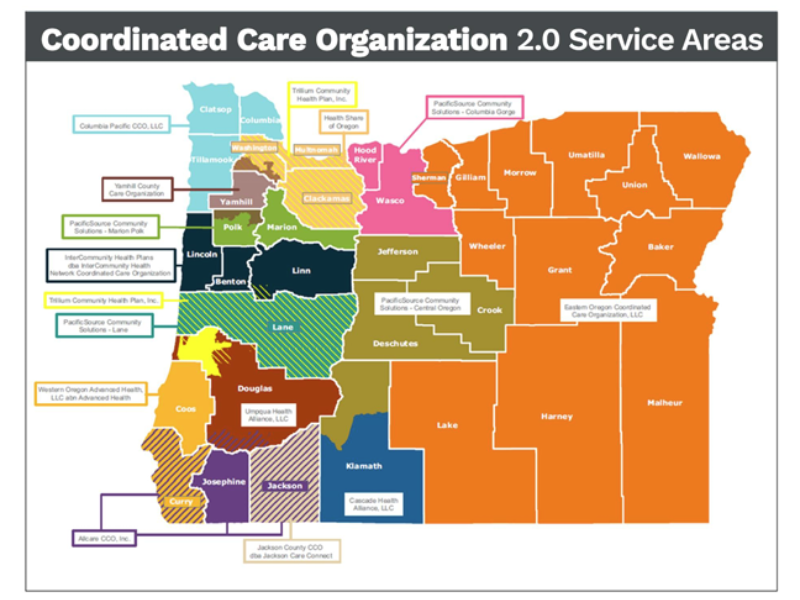
Understanding the Oregon Health Plan and Coordinated Care Organizations
If you have Oregon Health Plan (OHP) insurance, you might wonder how it all works. The short answer: OHP members get care through Coordinated Care Organizations (CCOs). CCOs are networks of providers that help you get the services you need. Learn how the system works and why choosing your own clinic matters.
Navigating the Healthcare System

What is a Care Team?
There are a number of people at your clinic that help provide quality care, from the medical assistants who check your vitals to the Patient Service Representatives who answer your phone calls. Providers, medical assistants, patient service representatives, pharmacists, and clinic receptionists all make up your care team. They work together to make sure you get the best care possible. It’s important they are all aware of your current health situation and reasons for visiting the clinic, so they can all be advocates for your care.

What is a Primary Care Provider (PCP)?
A primary care provider, often called a PCP, is your main healthcare provider. This can be a doctor, nurse practitioner, or physician associate. You see them for checkups, common illnesses, and ongoing care.
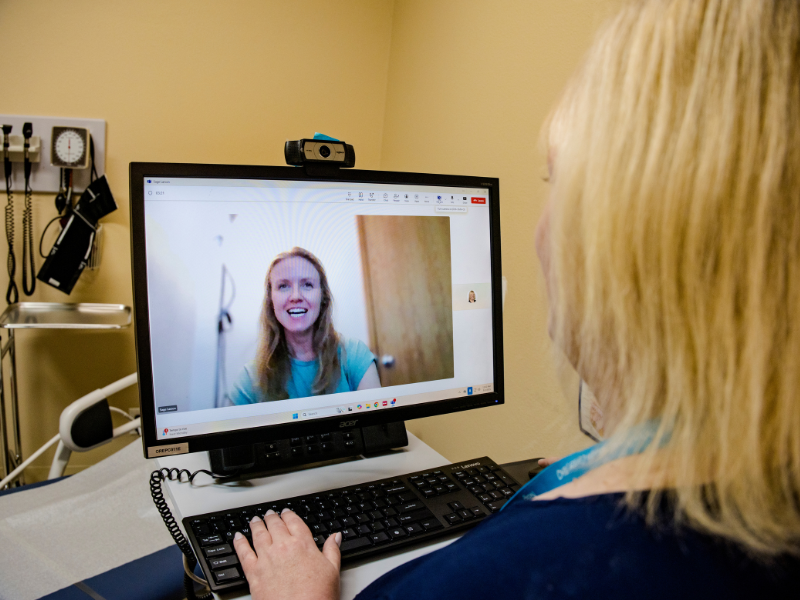
Telehealth Virtual Visits
Seeing your provider can be as easy as logging onto a computer or phone. NHC has virtual Telehealth appointments available for patients who don’t want to come into the clinic or don’t need to for their appointment – the care is the same as in-person visits, and there’s no extra cost. The next time you schedule an appointment, ask if it can be a Telehealth one. Pro tip: MyChart users can easily participate in telehealth visits through the MyChart portal on our website.

What to Expect at Your First Medical Appointment
Starting care with a new provider can bring up a lot of feelings. You might feel nervous, unsure what will happen, or worried you’ll forget something important. That’s normal, and we’ve got you covered.
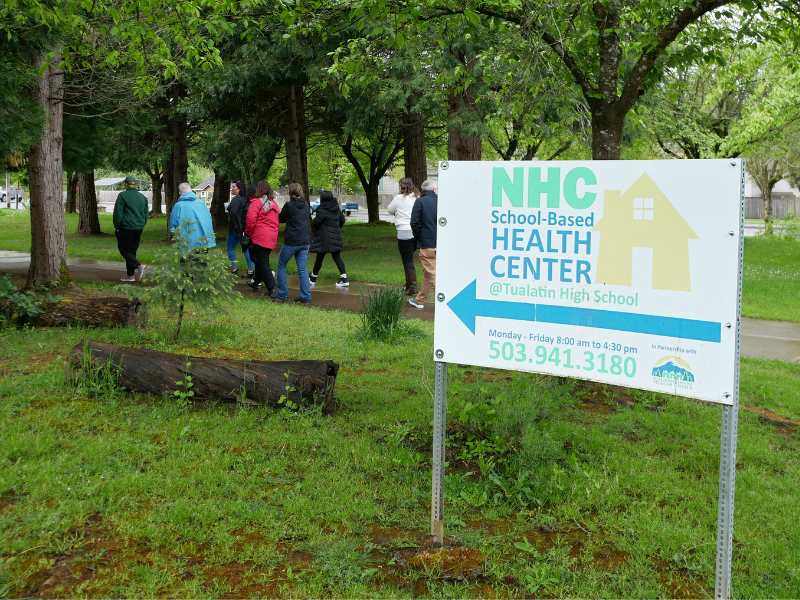
School-based Health Centers: Healthcare Right Where Students Learn
When a student feels sick at school, most people think of one thing: the school nurse. But did you know that some schools have something even more? A school-based health center (SBHC) is a medical clinic located right on school grounds. It can do much more than treat a stomachache.
Preventive Care & Wellness
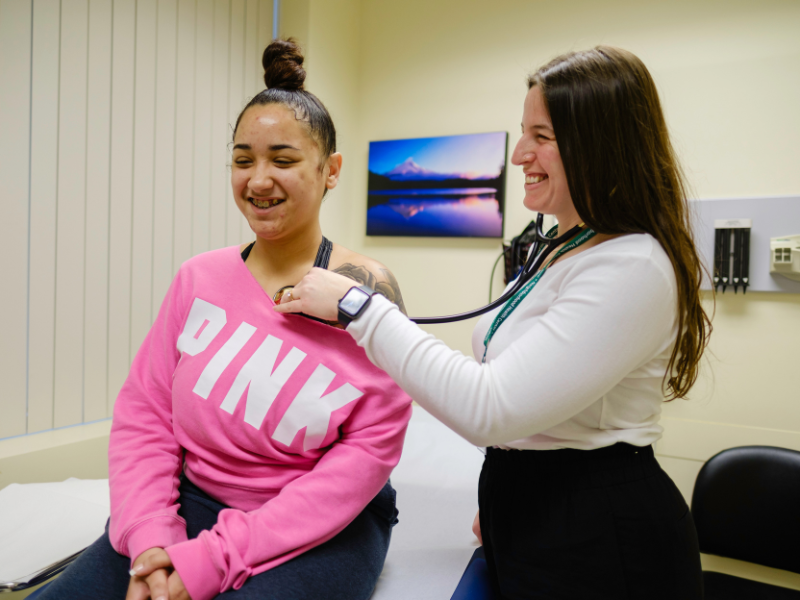
What Is Preventive Care?
Most people visit a doctor when they feel sick or injured. But healthcare is also important before problems start. Preventive care focuses on protecting your health and finding possible concerns early.

How to Read Nutrition Labels
A nutrition label is the box on packaged food that shows you what’s inside — like calories, fat, sugar, and vitamins. But these labels can be tricky if you don’t know what to look for. Learn how to read nutrition labels so you can choose foods that help you feel your best.

Do You Know Your Numbers and What They Mean for Your Health?
Do you know your numbers for blood pressure, cholesterol, and blood sugar? It’s important! These measures can affect your heart, brain, kidneys and so much more.
Women's & Sexual Health

Understanding OB Care
OB care (short for obstetric care) is the medical care you receive during pregnancy, labor, delivery, and after birth. It is one of the most important things you can do to protect your health and your baby's health.
Behavioral Health

Understanding Substance Use Disorder in Oregon
Substance use disorder, or SUD, is a medical condition. It happens when a person uses alcohol or drugs in a way that hurts their health, relationships, or daily life, and they find it very hard to stop.
Medications

Understanding Prescription Medication Instructions
Prescription medications come with a lot of information, and it can be difficult to know how to read or understand prescription labels and instructions, especially for the first time. Learn how to read and understand prescription labels and instructions so you can be sure you’re taking the best care of yourself.
Whole-Person Care

What is Silver Diamine Fluoride (SDF)?
If your child has a cavity, you may feel worried. You might wonder: Will it hurt? Will they need drilling? Will it cost a lot? Your dental team may talk with you about silver diamine fluoride, also called SDF.