Ask a Provider: Cervical Cancer Screenings

Tove Silver, WHNP, AGNP, Women's Health and Adult/Gerontology Nurse Practitioner
Cervical cancer is one of the most preventable cancers. Regular screening can catch changes early—almost always before cancer develops.
January is Cervical Cancer Awareness Month. We sat down with Tove Silver, women’s health and adult/gerontology nurse practitioner at NHC, to answer common questions patients have about cervical cancer screening and the Pap test.
Q: What is cervical cancer screening?
A: Cervical cancer screening (often called a Pap test or Pap smear) is a test that checks for abnormal cells on the cervix. The cervix is the lower part of the uterus, located at the back of the vagina.
The Pap test allows us to examine cervical cells to see if they are normal or if there are early changes that need further evaluation. Catching these changes early helps prevent them from turning into something more serious, such as cervical cancer.
Depending on your age, screening may also include testing for HPV (human papillomavirus). HPV is a very common sexually transmitted virus. Most people will have it at some point in their lives. In many cases, the body clears it on its own, but certain types can cause changes to cervical cells over time.
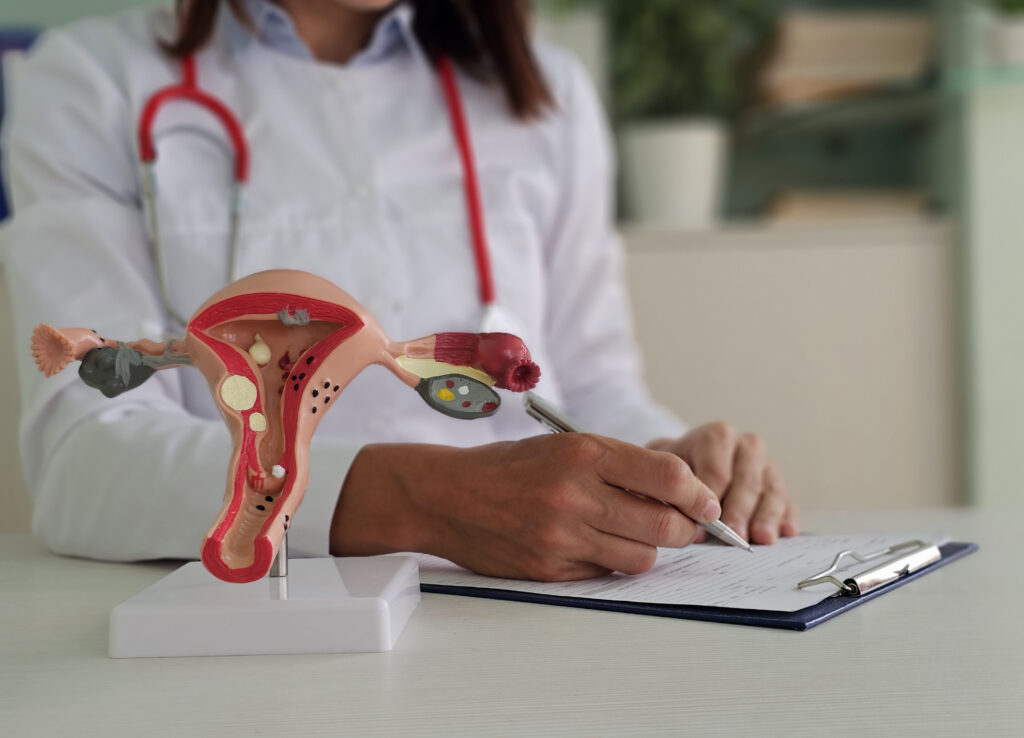
If you come in for an appointment, I’m always happy to explain how this works using a visual. It often makes things much easier to understand.
Q: Why are cervical cancer screenings important?
A: Cervical cancer screening is important because it can detect changes to the cervix long before they become cancer. Most people with early cervical changes feel completely fine and have no symptoms at all.
Screening allows us to identify and treat issues early, when they are easiest to manage and before they cause health problems.
Q: Who should get screened and how often?
A: Most people with a cervix should begin cervical cancer screening at age 21. General screening guidelines are:
-
Ages 21–29: Pap test every 3 years
-
Ages 30–65: Pap test (often with HPV testing) every 5 years
-
Over age 65: You may be able to stop screening if your past results have been normal. Talk with your provider about what’s right for you
If any results come back abnormal, we may recommend more frequent screening or more testing.
You still need cervical cancer screening even if you’ve received the HPV vaccine. Some people, such as those with weakened immune systems or a history of cervical cancer, may need screening more often. If you’re unsure what schedule is right for you, we can help you figure it out.
Q: What happens during a cervical cancer screening?
A: A cervical cancer screening is quick and usually takes just a few minutes. It’s done as part of a pelvic exam.
You’ll lie back on an exam table. Your healthcare provider will gently use a small instrument to see the cervix. They'll also use a soft brush to collect cervical cells. Those cells are sent to a lab to check for abnormal changes or HPV. We typically contact you with results in about a week.
You may feel some pressure or mild discomfort during the test, but it should not be painful. If it is painful (or if you want to stop the exam at any point, for any reason), please let us know. We will stop.
It’s completely normal to feel nervous or embarrassed. We perform these exams every day. Our goal is always to help you feel safe, respected, and as comfortable as possible.
Learn more about sexual health services at NHC
Q: What if my screening results aren’t normal?
A: An “abnormal” result does not mean you have cancer. In most cases, it simply means that some cell changes were found and need follow-up.
We will explain your results clearly, answer your questions, and help schedule any next steps if needed. Most cervical cell changes are very manageable. This is especially true when found early through routine screening.
If you’re due for a Pap test or have questions about this, talk with your NHC care team. We can schedule your Pap test at one of our clinics at a time that works for you. We’re here to help you navigate this and take care of your health.