Cold Weather Health Tips for Chronic Conditions
Winter in Oregon means cold, rain, and less daylight. For people living with chronic health conditions, these things can make life feel harder. The cold can make joints ache, breathing more difficult, or blood sugar harder to control. Shorter days can also affect your mood and energy.
At Neighborhood Health Center (NHC), we want to help you stay healthy, comfortable, and safe through the winter months. Here are simple steps you can take and ways our team can help.

Arthritis and Joint Pain
Cold weather can make joints stiff and sore. You may feel more pain in your hands, knees, or hips.
What you can do:
- Dress warm and keep your home cozy.
- Try gentle movement every day, like stretching, walking indoors, or light yoga, to help.
- Use a heating pad, warm towel, or soak in a warm bath to relax tight muscles.
Need extra support? Talk to your NHC provider about safe exercises or pain relief options that fit your care plan.
Related: Seasonal Wellness Tips to Keep You Healthy All Winter
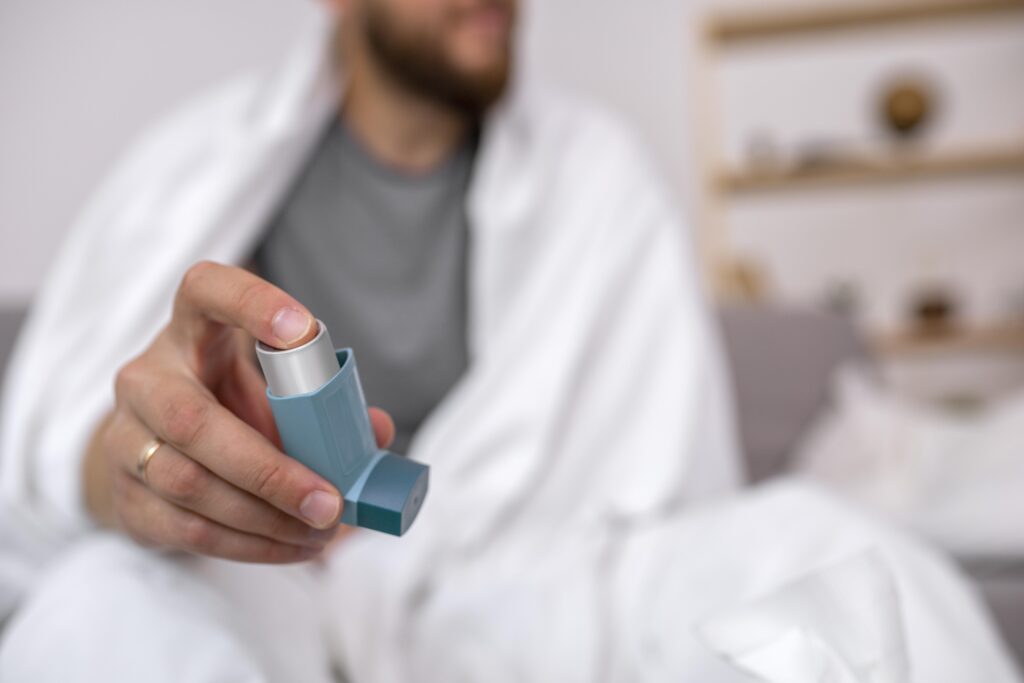
Asthma and Breathing Problems
Cold, dry air can make breathing harder, especially for people with asthma or COPD.
What you can do:
- Cover your nose and mouth with a scarf or mask when you go outside.
- Keep indoor air comfortable with a humidifier if your home feels dry.
- Watch local air quality reports. Wood smoke and pollution can make symptoms worse.
- Always keep your rescue inhaler nearby.
Need extra support? If you have frequent flare-ups, reach out to your NHC care team. We can help you adjust your medication or treatment plan.

Diabetes
Cold weather and changes in routine can affect blood sugar levels. You might move less or eat differently around the holidays.
What you can do:
- Check your blood sugar more often. Your body uses more energy to stay warm.
- Stay active indoors: stretch, dance, or walk in place.
- Watch portions at holiday meals. Balance sweets with fiber and protein.
- Keep insulin and medications at the proper temperature (never let them freeze).
Need help managing your diabetes? NHC’s care team offers support with nutrition, glucose monitoring, and cost-saving programs.
Related: Managing Diabetes at Home
Heart Health
Cold air makes blood vessels tighten, which can raise blood pressure and make your heart work harder.
What you can do:
- Dress warmly and limit time outside in freezing weather.
- Avoid sudden, heavy activity like shoveling snow. Take it slow or ask for help.
- Drink plenty of water and continue your regular medications.
If you ever feel chest pain or shortness of breath, call 911 right away.
Related: Managing Medications During the Holidays
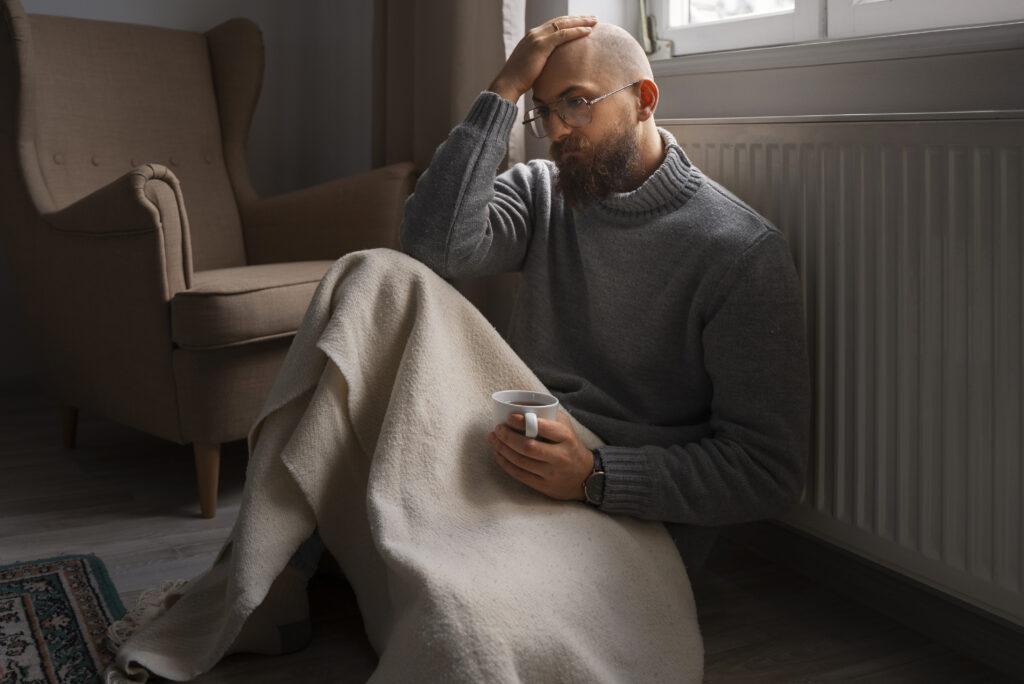
Mental Health and Seasonal Depression
Dark days and cold weather can affect your mood. Feeling tired, sad, or low-energy during winter is common.
What you can do:
- Try to get sunlight each day (even a few minutes helps).
- Stay connected with friends, family, or your community.
- Move your body daily to lift your mood.
- If sadness or worry becomes overwhelming, ask for help.
Need extra support? NHC’s behavioral health team is here for you. You can talk with a behavioral health consultant at your clinic or through telehealth.
If you ever feel hopeless or unsafe, call the 988 Suicide and Crisis Lifeline. Help is available 24/7.
We’re Here to Help!
Cold weather can make managing your health tougher, but you are not alone. Your NHC care team is here to help you stay healthy through every season.
Call your clinic or make a request in MyChart to schedule an appointment. Together, we will keep you healthy, warm, and well this winter.
Sources
- American Heart Association – What Cold Weather Does to the Body and How to Protect Yourself This Winter
- Arthritis Foundation – Cold Weather Checklist for People With Arthritis
- National Center for Healthy Housing – Adverse Health Effects and Susceptible Populations: Extreme Cold
- SSM Health – Weather Woes: What to Do When Cold Conditions Cause Joint Pain Flare-Ups
- Verywell Health – Does Cold Weather Affect Arthritis?

Kristin Bendert, Family Physician at NHC Oregon City Medical Clinic
This article was reviewed by Kristin Bendert, MD, a Family Physician at Neighborhood Health Center. Dr. Bendert earned her MD and MPH from Saint Louis University School of Medicine and completed her Family Medicine residency at Oregon Health & Science University with a focus on maternal and child health. She brings more than 10 years of experience in primary care, including work as a family medicine physician with obstetrics and as a practice leader. At NHC, she provides care to patients of all ages, with special interests in women’s health, chronic disease management, and lifestyle medicine. Dr. Bendert is a member of both the American Academy of Family Physicians and the Oregon Academy of Family Physicians and is dedicated to supporting whole-person health for every patient she serves.