Your Hydration Questions, Answered

Abby Russell, RDH, Dental Hygienist
Staying hydrated is one of the best things you can do for your teeth and gums. What you drink, how often you drink it, and how much you drink all affect your oral health. We asked Dental Hygienist Abby Russell, RDH, to answer some of the most common hydration questions we hear from patients.
Q: How do I stay hydrated when water isn't my favorite?
A: You are not alone. A lot of people struggle to drink enough water because they do not like the taste, or the lack of it. The good news is that plain water is not the only way to stay hydrated.
- Add some flavor. A slice of lemon, lime, or cucumber can make water more appealing. Just don't sip acidic drinks all day because the acid can wear down enamel over time. Enjoying them with a meal is a safer habit for your teeth.
- Try plain sparkling water. Plain sparkling water is fine for your teeth. But watch out for flavored sparkling waters with citric acid because those can erode enamel if you drink them often. Look for options with no added flavoring or acid.
- Drink tea or coffee. Both count toward your daily fluid intake, even caffeinated kinds. Just know that coffee and tea can stain teeth over time. Rinsing with water after is a good habit (good for your hydration and your smile).
- Eat your water. Crunchy, water-rich foods like watermelon, cucumbers, celery, and apples do double duty. They hydrate you and help you clean your teeth as you chew.
- Keep a water bottle with you. Out of sight means out of mind. A bottle on your desk, in your car, or in your bag makes it easy to sip all day.
- Set small goals. Try one glass of water when you wake up, one with each meal, and one before bed. Small habits are easier to build than big ones.
Most adults need about 6 to 8 cups of fluid per day. You need more if you are active, pregnant, breastfeeding, or spending time in the heat. Not sure how much is right for you? Ask your healthcare provider.
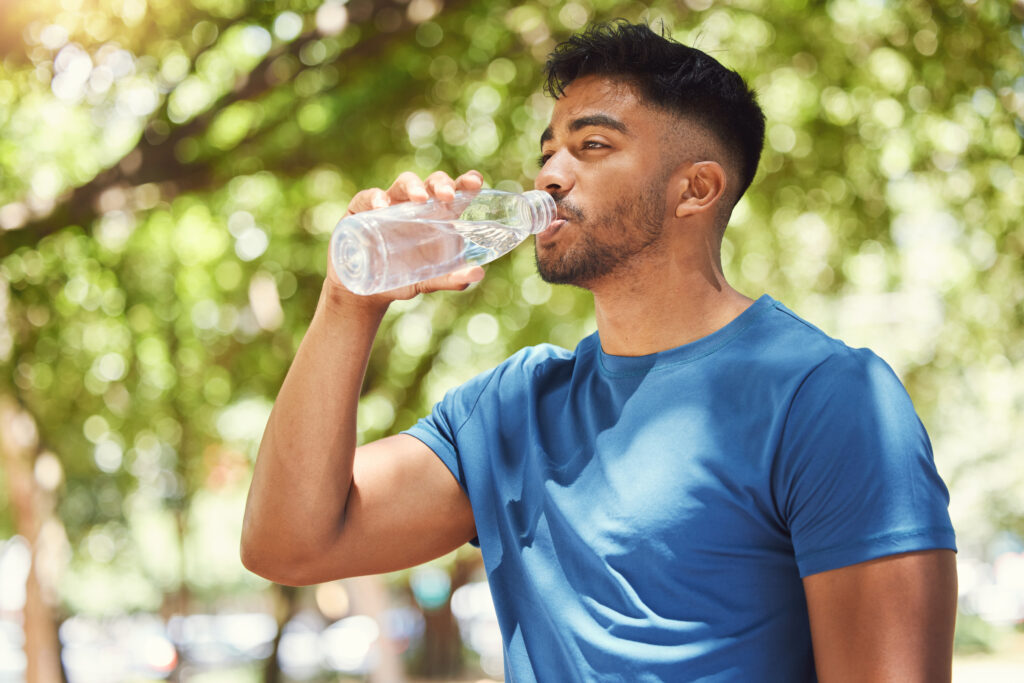
Q: How does staying hydrated protect my teeth?
A: When you are well hydrated, your body makes enough saliva. Most people don't think about saliva much, but it does a lot for your mouth. It washes away food and bacteria. It helps neutralize the acid that causes cavities. And it keeps your gums healthy.
When you don't drink enough, your saliva production drops. That's called dry mouth. Dry mouth raises your risk of cavities, gum disease, and bad breath. Staying hydrated also supports healthy gums by helping keep gum tissue healthy and allowing saliva to protect your mouth. So staying hydrated isn't just good for your body. It's one of the simplest things you can do for your smile.
Water is the best drink for your teeth. It rinses away food and bacteria, and fluoridated tap water helps strengthen enamel over time.
Q: How can I tell if I'm dehydrated?
A: By the time you feel thirsty, you may already be a little dehydrated. Thirst is one of the later signs. It helps to know what else to look for.
A dental sign most people miss: dry mouth. If your mouth feels dry or sticky, that's a sign you need more fluids. Low saliva is one of the first signs of dehydration and one of the biggest risk factors for cavities.
One of the easiest ways to check is to look at the color of your urine:
- Pale yellow: You are well hydrated. This is the goal.
- Medium yellow: Drink more water soon.
- Dark yellow or amber: You are dehydrated. Drink water now.
- Brown or orange: Severely dehydrated or a possible medical issue, call your provider.
Other signs of dehydration to watch for:
- Headache or feeling dizzy
- Dry mouth, lips, or skin
- Feeling tired or low on energy
- Muscle cramps
- Trouble focusing
- Going to the bathroom less than usual
In young children, signs of dehydration include a dry mouth, no tears when crying, fewer wet diapers, and being very tired or fussy. If you see these signs, offer fluids right away. Call your provider if things don't get better quickly.

Q: Does caffeine make dehydration worse?
A: This is one of the most common hydration myths. The answer might surprise you.
Caffeine can make you urinate a little more than usual. But for most people, the effect is small. The Mayo Clinic says that caffeinated drinks still count toward your daily fluid intake. A cup of coffee or tea gives your body more fluid than it loses. Your morning coffee is not undoing your hydration.
From a dental standpoint, coffee and tea are worth a small note. Both can stain your teeth over time, especially if you drink them often. Dental stains don't contain bacteria themselves, but the rough, stained areas on teeth can make it easier for plaque and bacteria to build up, causing a risk for cavities to form. Rinsing your mouth with water after your morning coffee is a simple habit that helps. It also adds to your daily fluid intake!
Very high caffeine (like multiple energy drinks) can have a stronger dehydrating effect. Energy drinks are also high in sugar and acid, which is bad for your teeth. The acids in energy drinks can soften and wear away tooth enamel, making teeth more sensitive and more vulnerable to damage. If you drink them, rinse with water afterward, and try not to sip them slowly over a long period.
The bottom line: one to two cups of coffee or tea a day won't cause dehydration for most healthy adults. Just drink water throughout the day, too.
Q: What foods help me stay hydrated?
A: About 20% of your daily fluids come from food. Harvard Health notes that eating the right amount of fruits and vegetables each day can give you about two cups of fluid. Foods with a lot of water in them is a great way to stay hydrated, especially if drinking enough feels hard.
Fruits
Watermelon, strawberries, cantaloupe, peaches, oranges, grapefruit, blueberries, apples
Crunchy vegetables
Cucumbers, celery, lettuce, zucchini, tomatoes, bell peppers, spinach (chewing these also helps clean teeth naturally)
Soups and broths
A warm bowl of broth-based soup is a great way to get fluids, especially in winter
Dairy and alternatives
Milk, plain yogurt, smoothies, and plant milks all have a lot of water and add electrolytes too
Watermelon is one of the best options. It is about 92% water. It also has potassium and magnesium — two things that help your body hold onto fluids.
Remember, crunchy fruits and vegetables like apples, celery, and carrots act like natural toothbrushes. Chewing them helps scrub away plaque and stimulates saliva, which is great for your teeth.
Learn more about NHC's dental services
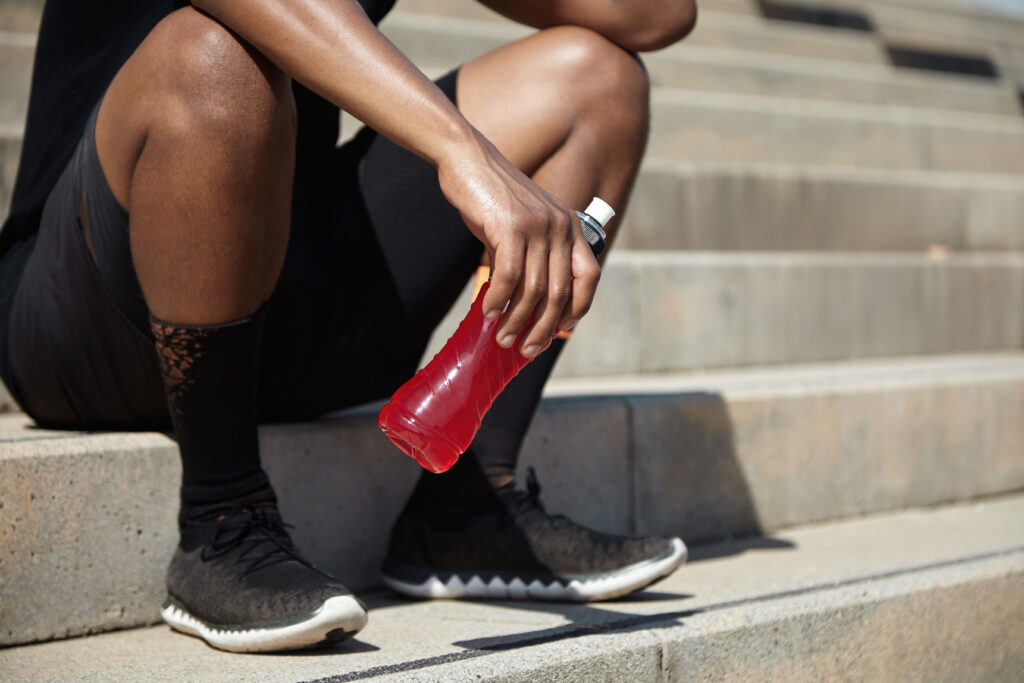
Q: Are sports drinks safe for everyday hydration?
A: It depends on what you are using them for.
Sports drinks were made for people doing hard exercise for an hour or more. During that kind of activity, your body loses fluids and electrolytes through sweat. Sports drinks help replace those losses fast.
But for most people going through a normal day, sports drinks are not needed. Harvard T.H. Chan School of Public Health says they are rarely needed outside of intense athletic activity. Here's why they can work against you:
- They are high in sugar. A 20-oz sports drink can have 30 to 35 grams of added sugar (close to a can of soda). Sugar feeds the bacteria that cause cavities.
- They are acidic. The acid in sports drinks wears down tooth enamel over time. Enamel does not grow back. This is one of the most common things dental providers see in patients who often drink sports drinks.
- Sipping slowly makes it worse. The longer your teeth are in contact with sugar and acid, the more damage is done. Drinking a sports drink quickly is better for your teeth than sipping it over an hour.
Dental tip: If you do drink a sports drink, rinse your mouth with water right after. Wait at least 30 minutes before brushing (brushing right after acid exposure can actually make enamel damage worse). And try to drink it through a straw to reduce contact with your teeth.
For everyday hydration, water is still your best bet.
- Best for everyday: Water, plain sparkling water, herbal tea, water-rich foods
- Okay in moderation: Low-sugar electrolyte drinks, coconut water
- Use sparingly: Traditional sports drinks (best for hard workouts only)
- Avoid for hydration: Soda, energy drinks, and sweet juices
Q: How much water should kids drink on hot days?
A: Kids lose fluids faster than adults. They often don't notice they are thirsty until they are already behind. And they may be too busy playing to stop and drink. Heat illness can strike children fast, so staying ahead of thirst is key.
General daily fluid guidelines for children:
- Ages 1–3: About 4 cups (32 oz) per day
- Ages 4–8: About 5 cups (40 oz) per day
- Ages 9–13: About 7–8 cups (56–64 oz) per day
- Ages 14 and up: About 8–11 cups per day, based on size and activity
On hot days or when kids are active outside, they need more. Offer water every 20 minutes during outdoor play, even if they don't ask for it.
A dental note for parents: Water is the best drink for kids' teeth too. Fluoridated tap water is especially good because it helps strengthen developing enamel. Juice, sports drinks, and sweet beverages feed cavity-causing bacteria. Kids' teeth are still growing, so the habits they build now really matter.
Signs of dehydration in kids:
Dry mouth, no tears when crying, fewer bathroom trips, dark yellow urine, feeling very tired, dizzy, or grumpy. If you see these signs, bring them inside, offer water or a low-sugar electrolyte drink, and call your provider if things don't improve quickly.
Water is the best drink for kids on hot days. The NHS says water and milk are the best everyday drinks for children and that sugary drinks should be avoided. For older kids doing hard activity in the heat for an hour or more, a low-sugar electrolyte drink can help. Avoid energy drinks. They are not safe for kids at any age.
Avoid energy drinks entirely for children. The drinks are not safe at any age, and they are especially harmful for developing teeth.
The information in this article is for educational purposes only and is not a substitute for medical or dental advice, diagnosis, or treatment. Please talk with your care team about questions or concerns related to your health.