Understanding Substance Use Disorder in Oregon
You Are Not Alone and Help Is Available
If you or someone you love is struggling with drugs or alcohol, you are not alone. Millions of people across the country (and right here in Oregon) deal with this every day. And here is something important to know: struggling with substance use is not a sign of weakness. It is not a moral failure. It is a health condition, just like diabetes or high blood pressure.
At Neighborhood Health Center (NHC), we are here to help — without judgment. This article will explain what substance use disorder is, what signs to look for, how it can be treated, and how NHC can support you or someone you care about.
What Is Substance Use Disorder (SUD)?
Substance use disorder, or SUD, is a medical condition. It happens when a person uses alcohol or drugs in a way that hurts their health, relationships, or daily life, and they find it very hard to stop.
According to the Substance Abuse and Mental Health Services Administration (SAMHSA), many people mistakenly believe that addiction comes from a lack of willpower or moral character. In reality, SUD is a complex disease that changes the brain, making it hard to quit even for those who want to stop.
SUD can involve many different substances, including:
- Alcohol
- Opioids (like fentanyl, heroin, or prescription pain pills)
- Methamphetamine (meth)
- Cocaine
- Cannabis (marijuana)
- Prescription drugs used in ways not prescribed by a doctor
It is also important to know that SUD exists on a spectrum, from mild to severe. Not everyone who uses substances develops a disorder, but for many people, use can grow into something that is very hard to control.
How Does It Affect the Brain?
Drugs and alcohol change the way your brain works. They flood the brain with a chemical called dopamine — the same chemical that makes you feel good when you eat, laugh, or spend time with people you love.
Over time, the brain adjusts to these high levels of dopamine. It starts needing more of the substance just to feel normal. This is called tolerance. When a person tries to stop, they can feel very sick or have strong urges (cravings) to use again. This is not a choice; it is biology. (Source: SAMHSA, What Is SUD?)

Signs Someone May Be Struggling
SUD can look different from person to person. You may notice some of these signs in yourself, or in someone you care about. Remember, noticing these signs is the first step toward getting help.
Physical Signs
- Looking tired or run-down much of the time
- Changes in weight — gaining or losing a lot without trying
- Red or glassy eyes
- Shaking, sweating, or feeling sick when not using the substance
- Poor hygiene or not taking care of themselves the way they used to
Behavioral Signs
- Missing work, school, or important responsibilities
- Pulling away from friends, family, or things they used to enjoy
- Spending a lot of time getting or using the substance
- Getting into trouble with the law, finances, or relationships
- Continuing to use even when it is causing problems
Emotional Signs
- Big mood changes, feeling great one moment and very low the next
- Feeling anxious, angry, or depressed
- Feeling like they can't get through the day without using
- Hiding their use or lying about it
A Note for Loved Ones
If you are reading this because you are worried about someone else, that is an act of love. You might feel frustrated, scared, or helpless. Those feelings make sense.
It is also okay to worry about yourself. Supporting someone with SUD can be hard on your own mental and physical health. You deserve support, too.
Learn more about NHC's Substance Use Support

The Impact of SUD On the Whole Person
SUD touches every part of a person's life. It is not just about the substance itself.
Physically, SUD can lead to serious health problems. Long-term use of alcohol can damage the liver. Opioids can slow breathing to dangerous levels. Meth can harm the heart and teeth. Sharing needles raises the risk of infections like HIV and hepatitis.
Mentally, SUD and mental health conditions often go hand in hand. According to the National Institute of Mental Health (NIMH), many people with SUD also experience depression, anxiety, or other mental health conditions. Sometimes substance use starts as a way to cope with emotional pain. But over time, it can worsen those feelings.
In relationships, SUD can break down trust. Family members may feel hurt, scared, or angry. Children in the home may be affected. Friends may pull away. Work or school performance may suffer.
These are not reasons to feel shame. There are reasons to reach out for help.
Substance Use in Oregon: What You Should Know
Oregon by the Numbers
- Nearly 1in 5 Oregonians struggles with substance use. (Source: SAMHSA)
- In 2024, Oregon saw 1,544 drug overdose deaths — a 16% decrease from 2023. This is the first decrease since 2016. (Source: Oregon Health Authority, 2025 Report to the Legislature)
- Fentanyl and methamphetamine remain the most common substances involved in overdose deaths in Oregon. (Source: Oregon Health Authority)
- In 2024, there were 10,365 overdose-related emergency department visits in Oregon. (Source: Oregon Health Authority)
- Oregon has some of the highest rates of substance use disorder in the U.S. (Source: SAMHSA)
The good news: Oregon is making progress. More people have access to naloxone (Narcan), a medicine that can reverse an opioid overdose. Overdose deaths dropped in 2024 for the first time in nearly a decade. But the work is far from over.
At NHC, we see this reality in our community every day. That is why we are committed to being a safe, welcoming place for anyone who needs help — no matter where they are in their journey.

Myth vs. Fact: Breaking the Stigma
Stigma (the shame or judgment people feel about SUD) is one of the biggest reasons people do not get help. Let's clear up some common myths.
|
|
| People with SUD just need more willpower. | SUD is a medical condition that changes the brain. It is not a matter of willpower. Treatment works, just like it does for other chronic illnesses. (Source: SAMHSA) |
| You have to hit 'rock bottom' before you can get help. | You can get help at any point. In fact, earlier treatment often leads to better outcomes. You do not have to wait for things to get worse. |
| Relapse means treatment failed. | Relapse is common and is part of recovery for many people, just like with other chronic conditions. It is a signal to adjust the treatment plan, not give up. (Source: SAMHSA) |
| SUD only affects certain kinds of people. | SUD affects people of all ages, incomes, backgrounds, and walks of life. It does not discriminate. |
 Myths
Myths Facts
FactsTreatment Works
Recovery is real. Many people with SUD go on to live full, healthy lives. Treatment does not look the same for everyone, and that is okay. What matters is finding what works for you.
Here are some of the most common, evidence-based approaches to treating SUD:
Medication-Assisted Treatment (MAT)
Some people benefit from medications that reduce cravings and withdrawal symptoms. For opioid use disorder, medications like buprenorphine (Suboxone) and methadone have helped thousands of people. For alcohol use disorder, medications like naltrexone can help.
These medications are safe and effective. Using them is not 'trading one addiction for another,' they are medical treatments, just like using insulin for diabetes. (Source: SAMHSA)
Counseling and Therapy
Talk therapy, one-on-one or in a group, helps people understand their patterns, build coping skills, and address the emotional roots of substance use. Common types include cognitive behavioral therapy (CBT) and motivational interviewing.
Peer Support
Peer support specialists are people who have their own lived experience with recovery. They can offer understanding, encouragement, and practical help in a way that only someone who has been there can.
Levels of Care
Treatment can happen in many settings — from outpatient visits (coming in a few times a week) to intensive programs to residential (live-in) treatment. Your care team can help figure out the right level of support for your situation.
The most important thing to know: you do not have to do this alone, and you do not have to have it all figured out before you reach out. Taking one small step, like talking to your provider, can start everything moving in the right direction.
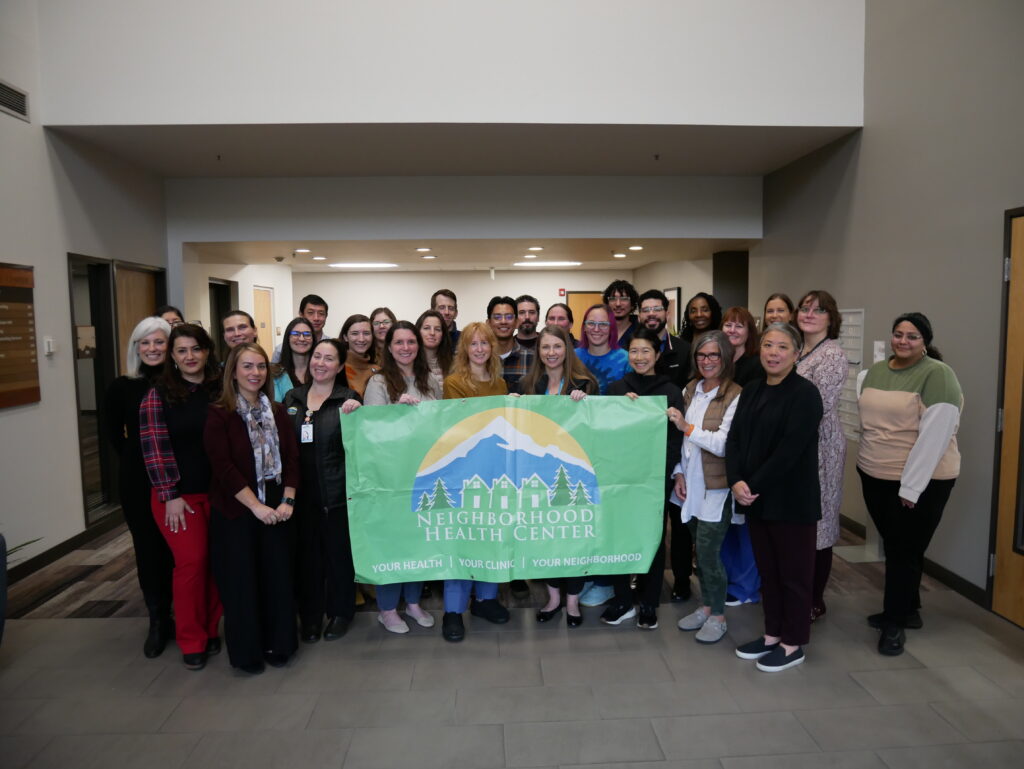
How NHC Can Help You
At NHC, we believe every person deserves care that meets them where they are. Whether you are just starting to wonder if substance use is affecting your life, or you have been struggling for years, we are here.
Our Substance Use Disorder Case Manager
NHC has a dedicated Substance Use Disorder (SUD) Case Manager — a specialist whose job is to support patients dealing with substance use. This is someone who will work with you one-on-one, without judgment, to help you find the right path forward.
Here is what our SUD Case Manager can do for you:
- Talk with you about what you are going through in a safe, confidential setting
- Help connect you with treatment options, including therapy, medication, and community programs
- Work alongside your primary care provider and care team
- Support family members and loved ones who need guidance
- Help remove barriers to care, like transportation or insurance questions
- Follow up with you over time so you do not feel like you are doing this alone
How to Connect with Our SUD Case Manager
It is simple to get started. You can:
- Ask your NHC provider at your next visit
- Call your NHC clinic directly and ask to be connected with the SUD Case Manager
- Send a message through MyChart
You do not need a referral. You just need to reach out.
Remember: everything you share with your care team is private. Your health information is protected by law. We will never share your information without your permission.

Supporting a Loved One
When someone you love is struggling with SUD, it can feel like you are on a rollercoaster. You might feel angry, sad, scared, and helpless — sometimes all at once. Here are some ways to help:
What Helps
- Lead with love and concern, not blame: "I'm worried about you, and I want to help."
- Listen without judgment
- Learn about SUD so you understand what they are going through
- Encourage them to talk to a provider or case manager
- Set healthy boundaries to protect your own wellbeing
- Take care of yourself — you cannot pour from an empty cup
What to Avoid
- Shaming or blaming language like "Why can't you just stop?"
- Covering up for them or making excuses (this is called enabling)
- Giving ultimatums in anger
- Ignoring your own mental health needs
You Deserve Support Too
Loving someone with SUD is hard. NHC's behavioral health team can support family members as well. You do not have to figure this out alone.
You can also explore community resources like Al-Anon (for families affected by alcohol use) or Nar-Anon (for families affected by drug use).
Resources in Oregon
If you or someone you love needs help, these resources are available:
988 Suicide & Crisis Lifeline
Mental health and substance use crisis support, 24/7.
Call or text 988.
Lines for Life
Oregon-based crisis and substance use helpline.
Call 1-800-923-4357 or visit linesforlife.org.
SAMHSA National Helpline
Free, confidential treatment referrals, 24/7.
Call 1-800-662-4357 or visit samhsa.gov/find-help/helplines/national-helpline.
Recovery Network of Oregon
Peer support and recovery resources in Oregon.
Visit recoverynetworkoforegon.org.
FindTreatment.gov
Search for local treatment programs near you.
Visit findtreatment.gov.
Your NHC Clinic
Talk to your care team or ask for our SUD Case Manager.
Call your clinic or send your care team a message on MyChart.
Recovery Is Possible. We Are Here.
No matter where you are in your journey (whether you are just asking questions or ready to take the next step), NHC is a safe place to start. Our team is here to listen, support, and walk alongside you.
Talk to your NHC provider at your next visit, or call us at (503) 941-3033 to ask about our SUD Case Manager. You do not have to do this alone.
This article is for educational purposes only and is not a substitute for professional medical advice. Please talk to your provider about your specific health needs.
Sources
The following sources were used in writing this article:
- Substance Abuse and Mental Health Services Administration (SAMHSA). What Is Substance Use Disorder? samhsa.gov/substance-use/what-is-sud
- SAMHSA. Mental Health and Substance Use Co-Occurring Disorders. samhsa.gov/mental-health/mental-health-substance-use-co-occurring-disorders
- National Institute of Mental Health (NIMH). Substance Use and Mental Health. nimh.nih.gov/health/topics/substance-use-and-mental-health
- American Psychiatric Association. What Is a Substance Use Disorder? psychiatry.org
- Oregon Health Authority. Opioids and the Ongoing Drug Overdose Crisis in Oregon: 2025 Report to the Legislature. January 2026. oregon.gov/oha
- OPB. Opioid Overdoses Decline in Oregon for the Second Year. April 2026. opb.org
- SLO Recovery Center / SAMHSA. Oregon Substance Use Statistics. slorecoverycenter.com, March 2025
- KTVZ / Stacker. How Many People Are Receiving Substance Use Treatment in Oregon? March 2024.
- National Institute on Drug Abuse (NIDA) / SAMHSA. Substance Use Disorder Defined. Cited via Wyoming Legislature Handout, 2020.
 This article was reviewed by Melanie Goodwin, Certified Alcohol and Drug Counselor and Substance Use Disorder Case Manager at NHC. In her role at NHC, she works with patients to develop personalized treatment plans, coordinate care among service providers, and offer ongoing support and advocacy throughout the recovery journey. Melanie serves patients across all NHC clinics.