12 Medical Terms Everyone Should Know
When you’re at a doctor’s appointment, it can sometimes feel like a whole new language is being spoken.
Words like “screening,” “acute,” or “referral” might come up, and it’s okay if you’re not sure what they mean. You’re not expected to know medical terms. That’s our job.
But understanding a few common words can help you feel more confident, ask questions, and take an active role in your care.
Here are 12 medical and healthcare terms you’re likely to hear, explained in simple language.

#1: Primary Care Provider (PCP)
Your primary care provider is the main person you see for your health care. They help with checkups, illnesses, medications, and ongoing health needs. Your PCP is who you see for your yearly checkup, a cough that won’t go away, or help managing diabetes. They can help treat and manage health conditions, order tests or imaging, and make referrals to specialists.
#2: Preventive Care
Preventive care helps keep you healthy and catch problems early, even before you feel sick. Getting a flu shot, blood pressure check, or yearly wellness visit is preventive care.
Related: 6 Reasons to Schedule Your Annual Checkup, Even When You Feel Fine
#3: Screening
A screening is a test that looks for health problems before you have symptoms. A Pap test, mammogram, colon cancer screening, or diabetes blood test are examples of screenings.

#4: Referral
A referral is when your provider connects you with another provider or service for additional care.
Examples:
- A referral to a specialist, like cardiology or orthopedics
- A referral to behavioral health
- A referral for imaging, like an X-ray or ultrasound
Your primary care provider helps coordinate this.
#5: Acute
“Acute” means something that starts suddenly and usually lasts a short time. A sore throat, ear infection, or sudden injury can be acute.
#6: Chronic
“Chronic” means a condition that lasts a long time or needs ongoing care. Asthma, high blood pressure, diabetes, or arthritis are chronic conditions.
Related: Tips on Managing Diabetes at Home
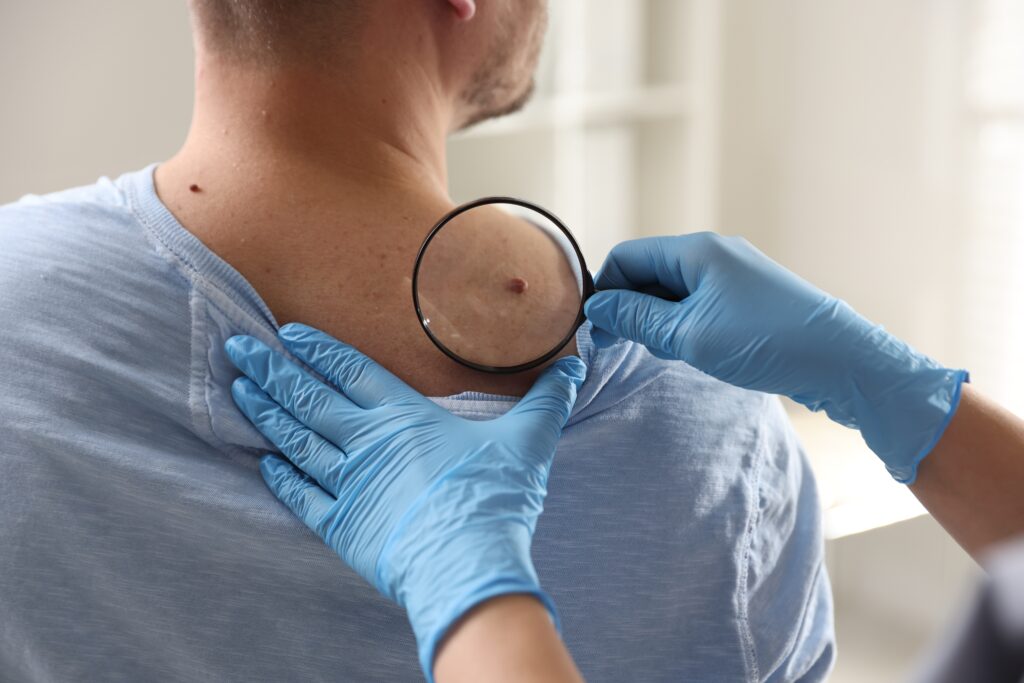
#7: Benign
Benign means not cancerous or not harmful. If a lump or test result is benign, it means it was not cancer or something causing a lot of harm to your health.
#8: Outpatient vs. Inpatient
Outpatient care means you go home the same day. A clinic visit or lab test is outpatient care.
Inpatient care means you stay overnight or longer. Staying overnight in the hospital after surgery is inpatient care.
#9: Medication Side Effects
Side effects are changes you may notice after starting a medication. Feeling sleepy, nauseous, or dizzy after starting a new medication may be side effects. Always tell your care team if something doesn’t feel right.

#10: Copay
A copay is a set amount you may pay at a visit if you have insurance. For example, some plans may have a $5 or $10 copay for a visit. Many people on the Oregon Health Plan (OHP) do not have copays.
If you’re unsure, NHC staff can help explain.
#11: Prior Authorization
Prior authorization means your insurance needs to approve a service (e.g. an MRI or special test) or medication before it’s covered.
Your provider and pharmacy help submit this for you.
#12: Follow-Up
A follow-up is the next step after your visit.
Examples:
- A phone call with lab results
- A return visit in a few weeks
- A message in MyChart
Follow-ups help make sure your care is improving as planned.
We’re here to help you!
You’re never expected to understand every medical word you hear.
If something doesn’t make sense, it’s always okay to ask, “Can you explain that in a different way?” Our care teams are here to help you understand your health and your options.
The information in this article is for educational purposes only and is not a substitute for medical advice, diagnosis, or treatment. Please talk with your care team about questions or concerns related to your health.
Sources
- Centers for Disease Control and Prevention (CDC). Health Literacy Basics.
- National Institutes of Health (NIH). MedlinePlus: Medical Terms and Definitions.
- U.S. Department of Health and Human Services. Plain Language Guidelines.
- University of Utah Health. 10 Common Health Care Terms: Do You Know Them?
- SelectHealth. Important Medical Terms You Need to Know.
 This article was reviewed by Robyn Pham, FNP-BC, a Family Nurse Practitioner at NHC’s Tanasbourne Medical Clinic. Robyn earned her Master of Science in Nursing from Vanderbilt University and has experience providing primary care to diverse patient populations, along with a background in international community development and public health research. At NHC, she provides primary care services for patients of all ages and backgrounds, supporting whole-person care.