What Is a Primary Care Provider (PCP)?
Your Partner in Long-Term Health
A primary care provider, often called a PCP, is your main healthcare provider. This can be a doctor, nurse practitioner, or physician associate. You see them for checkups, common illnesses, and ongoing care.
Have Medicaid/Oregon Health Plan (OHP) or Medicare? Having a primary care provider matters even more. Your PCP helps you get care on time, get referrals approved, and avoid unnecessary emergency room visits.
Many people don’t realize how much their PCP does behind the scenes, or how much easier care can be when you have one.
What Is a Primary Care Provider?
A primary care provider (PCP) is the person who helps take care of your health over time.
Your PCP may be:
- A doctor (sometimes called a primary care doctor)
- A nurse practitioner (NP)
- A physician associate (PA)
Your PCP:
- Knows your health history
- Listens to your concerns
- Helps you stay healthy
- Treats common illnesses
- Helps manage long-term conditions
If you’re not sure who your PCP is, you’re not alone. Many patients don’t realize they already have one or that they can choose or change their PCP.
Related: What's a Care Team?
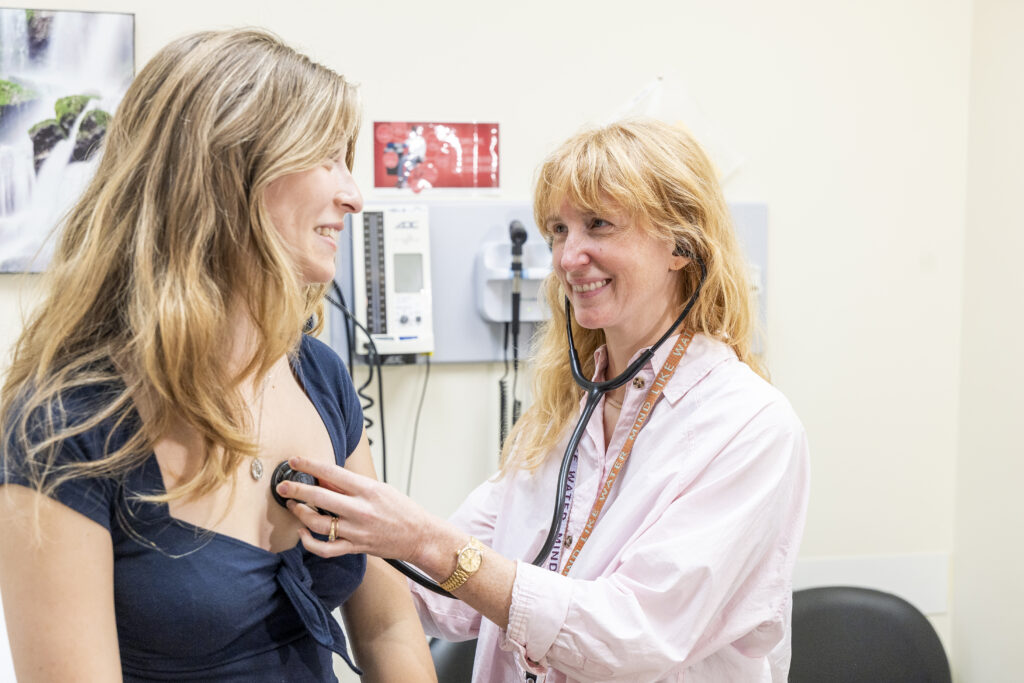
What Does a PCP Do?
Your primary care provider is your first call for most health needs that are not an emergency.
Your PCP can:
- See you for yearly checkups
- Treat colds, infections, rashes, and minor injuries
- Help manage diabetes, high blood pressure, asthma, or depression
- Answer questions about symptoms or medications
- Help you quit smoking or make healthy changes
- Keep vaccines and screenings up to date
- Refer you to specialists when needed
Having one main provider helps your care stay organized and connected.
Why Having a PCP Matters, especially with Medicaid or Medicare
If you have Medicaid/OHP or Medicare, your PCP plays a big role in how your care works.
Having a PCP helps with:
- Access to care – easier scheduling and follow-up
- Referrals – getting approval to see specialists
- Prior authorizations – insurance approval for tests or treatments
- Medication coverage – fewer delays at the pharmacy
- Lower costs – fewer emergency room visits
- Continuity – seeing someone who knows you
Without a PCP, care can feel confusing, delayed, or frustrating.
What Your PCP Does Behind the Scenes
Many patients don’t see the work their PCP and care team do outside the exam room.
Your PCP helps with:
- Sending referrals to specialists
- Getting insurance approval for care
- Reviewing test results
- Coordinating care between providers
- Adjusting medications
- Tracking chronic conditions over time
This coordination helps prevent problems before they become emergencies.
What Happens If You Don’t Have a PCP?
Without a primary care provider, you may experience:
- Longer wait times for care
- Trouble getting referrals approved
- Higher costs
- More urgent care or ER visits
- Repeating your health history again and again
Urgent care and the emergency room can help in certain situations, but they don’t replace long-term primary care.
Related: What to Know about Colon Cancer Screenings
Can I Change My PCP?
Yes. You can change your PCP.
This is especially important for patients with Medicaid or the Oregon Health Plan (OHP).
You may want to change your PCP if:
- You’ve moved
- Your provider retired or left
- You don’t feel comfortable
- Your health needs have changed
Your care team or insurance plan can help you switch. Changing your PCP does not mean starting over. Your records can be shared.
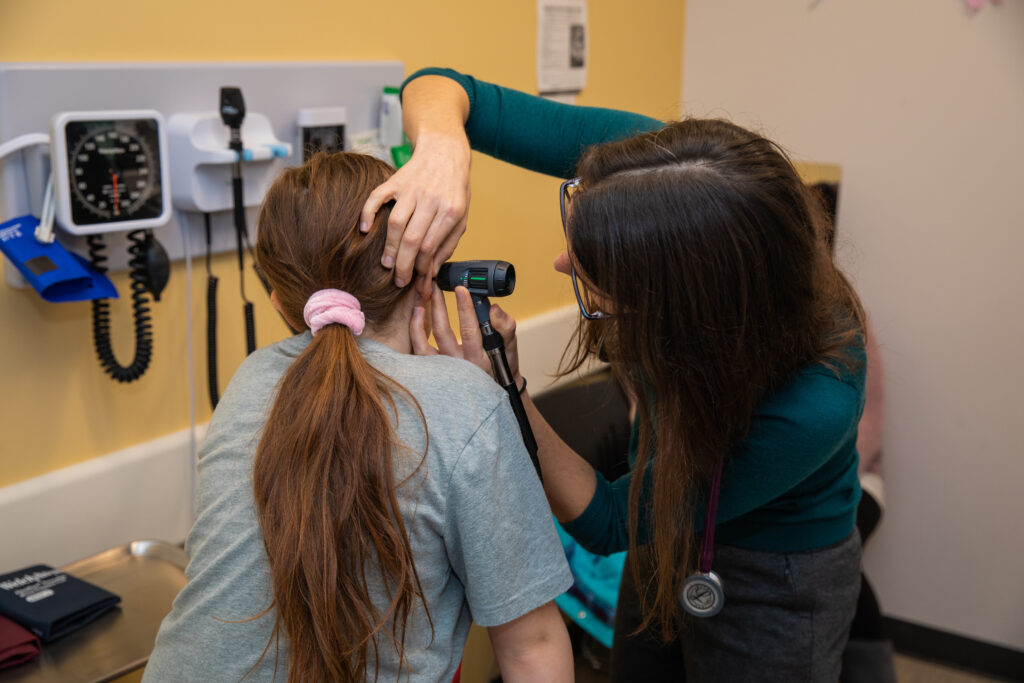
When to Call Your PCP vs Urgent Care vs the ER
Knowing where to go can save time, stress, and money.
Call your PCP if:
- You feel sick, but it’s not an emergency
- You need a checkup or follow-up
- You have ongoing symptoms
- You need help with medications
- You have questions about your health
Go to urgent care if:
- You need care soon, but can’t wait
- You have a minor injury, infection, or fever
- Your PCP’s office is closed
Go to the emergency room if:
- You have chest pain
- Trouble breathing
- Signs of a stroke
- Severe bleeding or injury
- A life-threatening emergency
When in doubt, start with your PCP if possible.
Why Primary Care Helps You Stay Healthier
Primary care focuses on prevention, not just treatment.
Your PCP helps:
- Catch problems early
- Manage conditions before they worsen
- Keep you up to date on vaccines
- Support your mental and physical health
- Build trust over time
People who have a regular primary care provider are less likely to need emergency care. They’re more likely to get the care they need when they need it.
A Simple Next Step
If you:
- Don’t know who your PCP is
- Want to change your PCP
- Haven’t had a checkup in a while
Contact your care team or insurance plan to learn your options. Your primary care provider is your partner in health, and you don’t have to figure it out alone.
The information in this article is for educational purposes only and is not a substitute for medical advice, diagnosis, or treatment. Please talk with your care team about questions or concerns related to your health.
Sources
- Cleveland Clinic
Primary Care Provider (PCP)
https://my.clevelandclinic.org/health/articles/23467-primary-care-physician
- National Cancer Institute (NCI)
Primary Care Provider — Definition
https://www.cancer.gov/publications/dictionaries/cancer-terms/def/primary-care-provider
- Mayo Clinic Health System
The Importance of a Primary Care Provider
https://www.mayoclinichealthsystem.org/hometown-health/speaking-of-health/the-importance-of-a-primary-care-provider
- MedlinePlus (U.S. National Library of Medicine)
Choosing a Primary Care Provider
https://medlineplus.gov/ency/article/001939.htm
- Centers for Medicare & Medicaid Services (CMS)
Primary Care: Key Concepts
https://www.cms.gov/priorities/innovation/key-concepts/primary-care

Dr. Greg Guffanti, Family Physician and Medical Director of Primary Care
This article was reviewed by Gregory Guffanti, MD, a Family Physician and Medical Director of Primary Care at NHC Milwaukie Medical Clinic. Dr. Guffanti earned his Doctor of Medicine from Jefferson Medical College of Thomas Jefferson University and completed his residency at Oregon Health & Science University, where he also served as Chief Resident and a Clinical Instructor. He has been a primary care provider at NHC since 2014 and provides care for patients of all ages and backgrounds, with a focus on whole-person care.