Exercise During Pregnancy: What is Safe, What to Skip, and Why It Matters
Growing a baby is hard work. Some days, just getting through your daily routine can feel like enough of a workout. But research shows that staying active during pregnancy is not only safe for most people, it’s good for you and your baby.
The good news is that you do not have to run marathons or do anything intense. Simple, consistent movement can make a real difference in how you feel throughout your pregnancy and beyond.
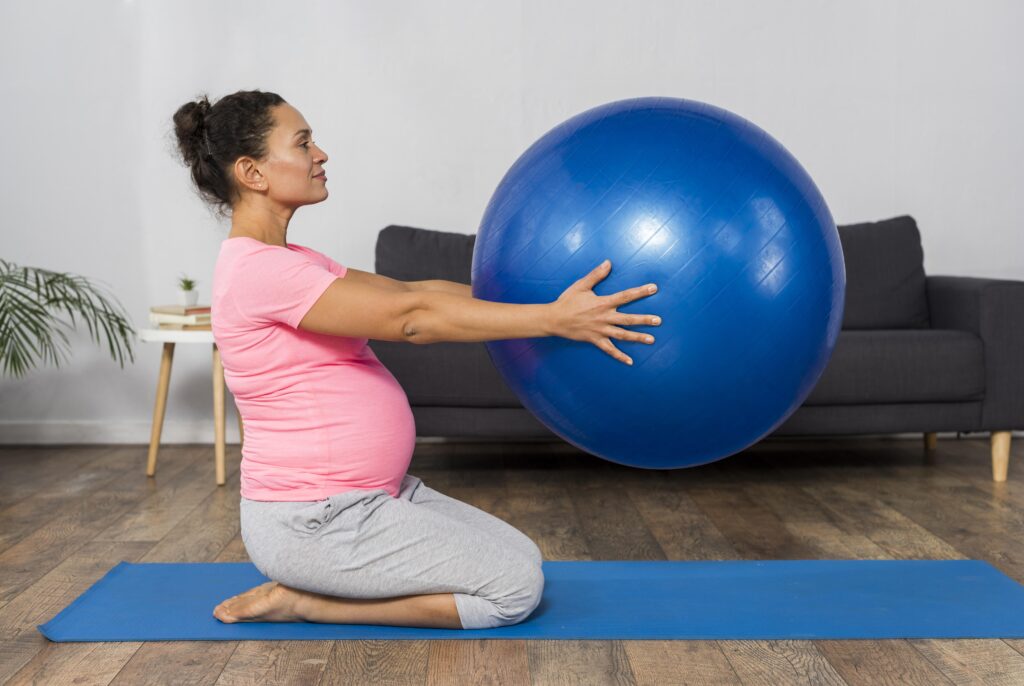
Why exercise during pregnancy matters
Regular movement during pregnancy has many benefits for your body, your mood, and your baby.
- Improves mood, energy levels, and sleep quality, and helps prevent postpartum depression
- Makes labor shorter and less painful and speeds up postpartum recovery
- Can reduce common discomforts like back pain, constipation, bloating, and swelling
- Can lower the risk of complications (gestational diabetes, hypertension, C-sections)
- Helps you manage healthy weight gain during pregnancy
Most pregnant people can and should exercise. Aim for at least 150 minutes of moderate activity per week (about 30 minutes a day, five days a week). If that feels like too much right now, start small. Even five or ten minutes a day of purposeful physical activity is a great place to begin.
Learn more about OB Care at NHC
Safe exercises during pregnancy
The best exercises during pregnancy are ones that are low-impact, easy on your joints, and carry little risk of falling or injury. Here are some great options:
Walking
Easy to fit into your day, gentle on your joints, and safe all the way through pregnancy. Wear supportive shoes and start at a comfortable pace. Jogging is also safe but is best suited for people who jogged prior to pregnancy, as they can adapt to the physiologic and biomechanical changes more easily over time than those who are new to jogging.
Yoga and Pilates
Excellent for flexibility, breathing, and stress relief. Look for prenatal-specific classes. Avoid poses that require lying flat on your back for long periods.
Strength training
Always a great option and very safe. You can make modifications as you progress through each trimester.
Kegel exercises
These strengthen the pelvic floor muscles that support your uterus, bladder, and bowels. They can help during labor and delivery and speed up recovery afterward.
Cycling
Great for your heart and gets you outdoors. As your belly grows and your center of gravity shifts, a stationary bike may be safer for you if you find balance is an issue.
Swimming and water aerobics
One of the safest choices for pregnancy. The water supports your weight, keeps you cool, and takes stress off your joints. No risk of falling in the pool.
If you were active before pregnancy, you can generally continue your routine at a similar level as long as you feel good and your provider says it is okay. If you are just starting out, begin with lighter activities like walking or stretching and build up slowly.
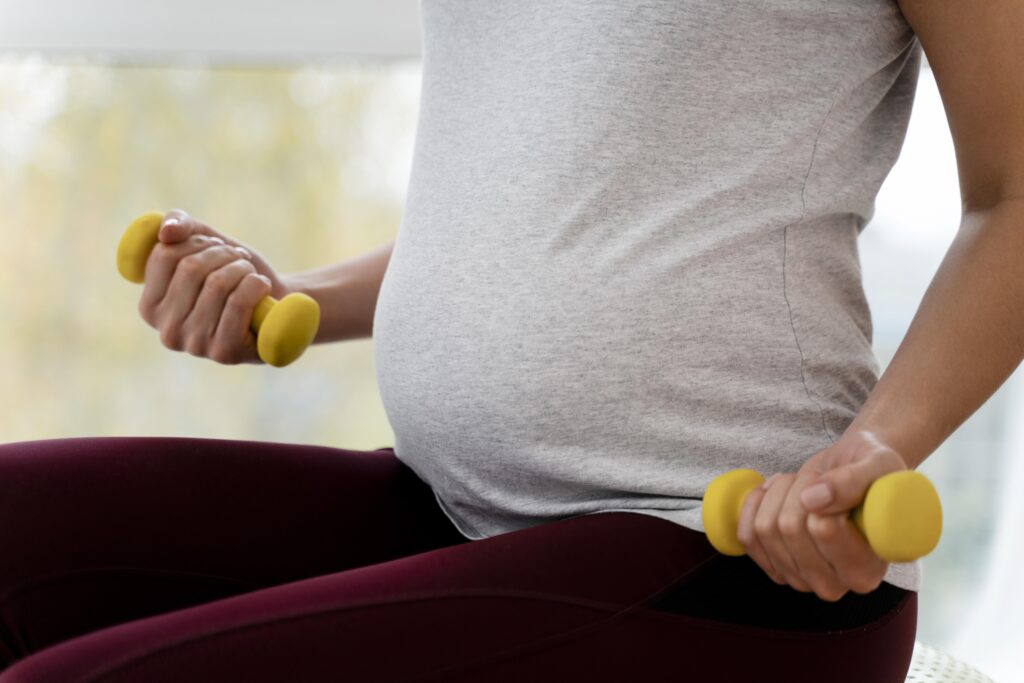
Things to keep in mind as your body changes
Pregnancy changes your body in ways that affect how you exercise. Here is what to be aware of:
You may get out of breath or feel tired more quickly than usual. Your baby needs extra oxygen and energy, too. This is normal. Listen to your body.
Pregnancy hormones cause your joints and ligaments to loosen, which increases your risk of injury. Move carefully and avoid jerky or sudden movements.
Your center of gravity shifts as your belly grows, making it easier to lose your balance. Be extra careful on uneven surfaces or with exercises that require balance.
Stay well hydrated before, during, and after exercise (and avoid working out in very hot or humid conditions).
Wear a supportive sports bra and comfortable, non-slip shoes.
After your first trimester, avoid exercises that require lying flat on your back for extended periods.
Related: Why Oral Health Matters for Your Heart, Pregnancy, and More
Activities to avoid during pregnancy
Some activities carry too high a risk of falls, impacts, or injury during pregnancy. These are best avoided:
- Contact sports like hockey, basketball, or soccer
- Downhill skiing, water skiing, and horseback riding — all carry a high risk of falls
- Scuba diving, pressure changes are not safe for your baby
- Hot yoga or exercise in very hot conditions, overheating is dangerous during pregnancy
- Court sports like tennis, racquetball, or squash that require quick, sudden movements (these become riskier as pregnancy progresses)
- Exercises that require twisting at the waist while standing, especially after the first trimester
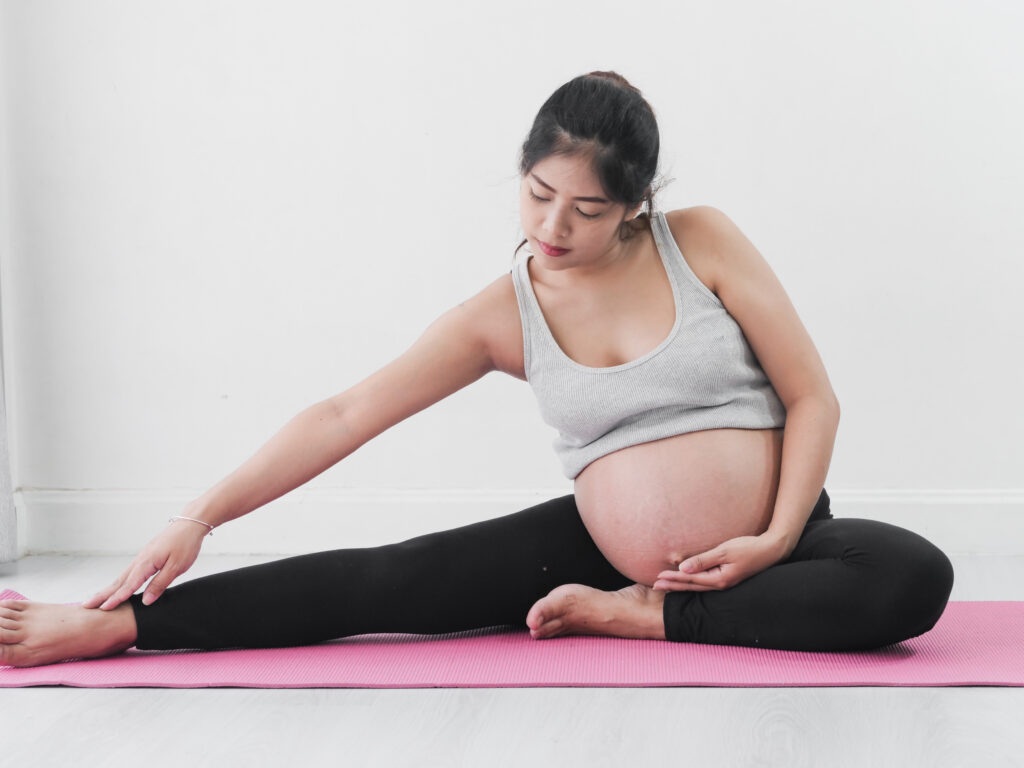
When to stop and call your provider
Exercise is safe for most pregnant people, but there are times when you should stop right away and get in touch with your care team:
- Vaginal bleeding
- Regular painful contractions
- Leaking fluid from your vagina
- Chest pain or severe shortness of breath
- Dizziness, faintness, or severe headache
- Nausea during exercise
- Decreased fetal movement
Always stop exercising and contact your NHC provider if you experience any of the symptoms above.
When your provider may recommend limits
For most people, exercise is encouraged throughout pregnancy. But your provider may ask you to limit activity or monitor your exercise closely if you have certain conditions, including:
- Asthma, heart disease, or diabetes
- A pregnancy achieved through in-vitro fertilization (IVF)
- Bleeding or spotting, low placenta, or threatened miscarriage
- A history of premature births or early labor
If any of these apply to you, talk with your NHC provider before starting or continuing an exercise routine. They will help you find a safe level of activity for your specific situation.
Remember, you do not have to do this perfectly. Any movement you can do is good for you and your baby. Start where you are, go at your own pace, and celebrate what your body is capable of.
Have questions about exercise during your pregnancy? Talk to your NHC care team. We are here to support you at every step of your journey.
This article is for educational purposes only and is not a substitute for professional medical advice. Please talk to your provider about your specific health and exercise needs during pregnancy.
Sources
- NHC Tanasbourne Medical Clinic. (2025). Prenatal care packet: 0–24 weeks. Neighborhood Health Center.
- American Pregnancy Association. (2026, February 20). Exercise and pregnancy. https://americanpregnancy.org/pregnancy/exercise-and-pregnancy/
- Hotovy, S., & Nordin, T. (2021, April 29). Exercise during pregnancy: Safe, beneficial. Mayo Clinic Health System. https://www.mayoclinichealthsystem.org/hometown-health/speaking-of-health/exercise-during-pregnancy
- American Family Physician. (2022, Jul; 106(1): 52-60). Care of the Active Female. https://pubmed.ncbi.nlm.nih.gov/35839365/
- American College of obstetricians and gynecologists. (2020, April # 804). Physical Activity and Exercise During Pregnancy in the Postpartum Period. https://www.acog.org/clinical/clinical-guidance

Dr. Androuw Carrasco, a Family Physician at NHC Tanasbourne Medical Clinic
This blog was reviewed by Androuw Carrasco, MD, a Family Physician at NHC Tanasbourne Medical Clinic. Dr. Carrasco earned his Doctor of Medicine from Michigan State University and his Bachelor of Science from the University of Arizona, where he later completed his Family Medicine Residency. He brings over five years of experience in urgent care, emergency medicine, and family medicine, and is Board Certified in Family Medicine. At NHC, he provides primary care to patients of all ages, from newborns to geriatrics, regardless of income or current state of wellness.