Why Well-Child Checks Matter for Your Child’s Health
Bringing your child in for a checkup when they're not sick might not feel urgent. But well-child checks are one of the best things you can do for your child's health. These visits help your child's provider catch small concerns early, track healthy growth, and keep your child up to date on vaccines.
How to Get the Most Out of the Visit
A little prep can go a long way. Before your child's visit, try to:
- Jot down what you've noticed. Any changes in behavior, sleep, or routines are worth mentioning.
- Write down your questions. If you have a lot, start with the most important ones first.
- Bring helpful info. School or childcare notes, like an Individualized Education Program, can help your child's provider get the full picture.
Scheduling Made Simple with MyChart
You can schedule your child's well-child check right from MyChart — no phone calls, no hold music, no waiting for someone to call you back. It only takes a few minutes.
To schedule a well-child check in MyChart:
- Go to "Schedule an Appointment" in the menu or on the home screen.
- Select "Well Child Visit."
- Choose the provider you'd like to see.
- Pick an available appointment time.
- In the comment box, add any questions or concerns you'd like to talk about at the visit.
- Click "Schedule it" to finish.
What Happens During a Well-Child Check?
Every well-child visit looks a little different depending on your child's age, but most visits include:
- Growth check. Your child's height, weight, and head size (for babies) are measured to make sure they're growing as expected.
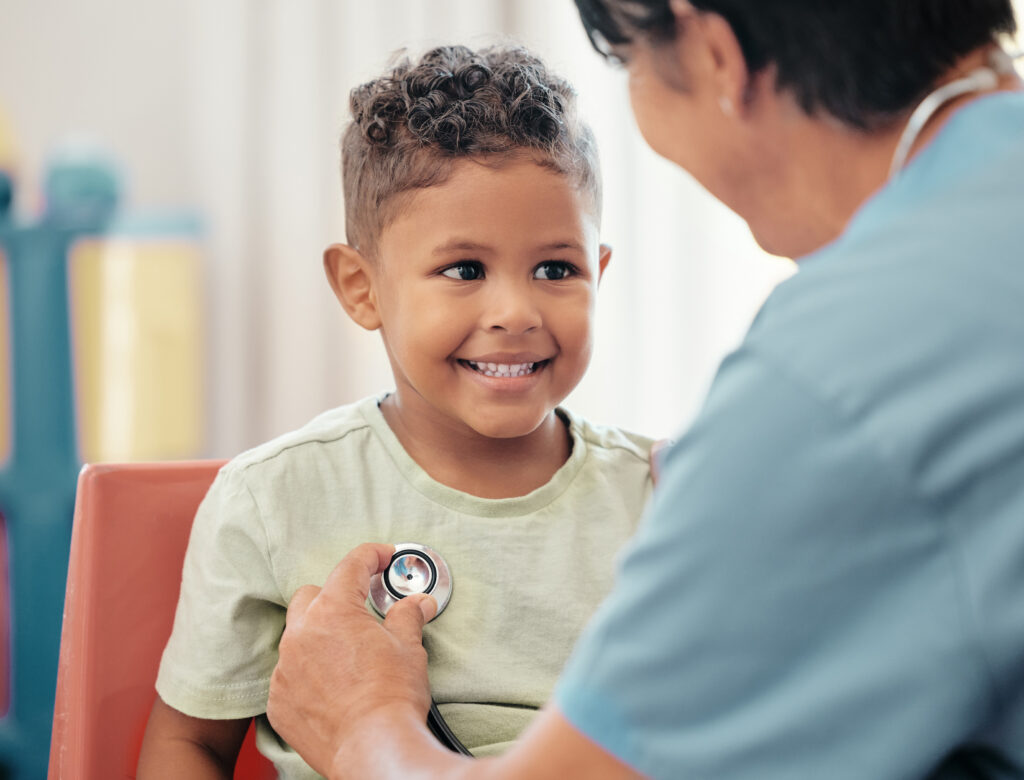
- Physical exam. Your child's provider checks their overall health from head to toe.
- Developmental screenings. Your provider checks how your child is doing with talking, moving, playing, and connecting with others.
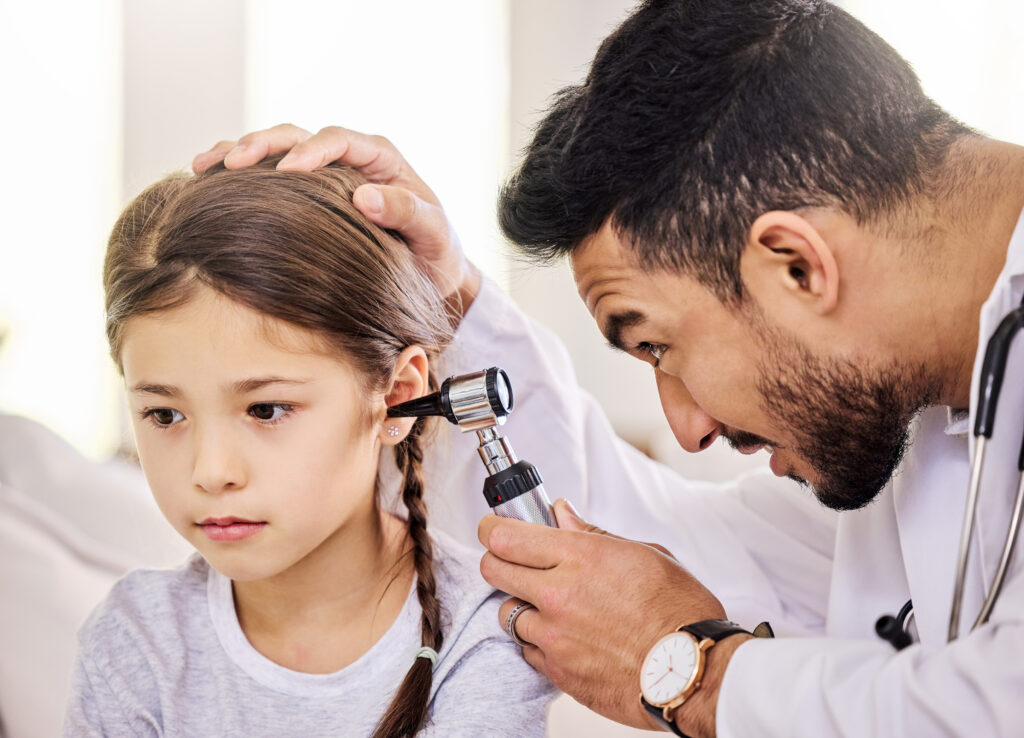
- Vision and hearing checks. Catching issues early makes a big difference.
- Immunizations. Your child gets any vaccines that are due for their age.
- Questions and guidance. Your provider will ask about sleep, eating, behavior, and how things are going at home or school.
This is also a good time to bring up anything you've noticed, even if it seems small. Providers often catch developmental concerns during these regular visits, and starting support early can make a real difference.
Related: School-based health centers, healthcare where students learn

After the Visit
Before you leave, it can help to jot down a short to-do list based on what you talked about. For example, things like "make an appointment with a specialist" or "try more veggies at dinner." Keep it simple enough to actually follow through on.
And the conversation doesn't have to end when the visit does. If a question comes up later, or you want to update your child's provider on how something's going, you can always call the clinic or message your care team through MyChart.
Why Preventive Care Matters
It's easy to think checkups only matter when a child is sick. But regular well-child visits do something sick visits can't: they catch problems before they become bigger. Skipping these visits can mean missing early signs of a developmental delay, a vision or hearing issue, or a vaccine that's fallen behind schedule.
Well-child visits also help your child stay ready for daily life. Many vaccines required for school, daycare, and sports are given at these visits.
When Should My Child Go?
Well-child checks follow a schedule from infancy through the teen years. In general, children need more frequent visits as babies, then check-ins become yearly as they get older:
- Newborn, 3–5 days old, and by 1 month
- 2 months, 4 months, 6 months, and 9 months
- 12 months, 15 months, 18 months, 24 months, and 30 months
- Yearly from age 3 through 21
Your child's provider can help you stay on track with the schedule that's right for your child.
A note for parents of teens: well-child visits mean something a little different as your child gets older. Teens often spend part of the visit one-on-one with their provider. It’s a chance to start building the habit of speaking up for their own health. You can support them at home by encouraging good sleep, nutritious food, and check-ins about how they're feeling.
The Easiest Way to Schedule a Well-Child Check is Through MyChart!
Simply log into MyChart, go to the ‘Schedule an Appointment’ in the menu or on the home screen, select ‘Well Child Visit,’ and follow the prompts. Want to sign up for MyChart?
Does OHP Cover Well-Child Checks?
Yes. If your child has the Oregon Health Plan (OHP), well-child checks are covered at no cost through a program called Early and Periodic Screening, Diagnostic and Treatment (EPSDT). This covers children and youth on OHP from birth until they turn 21.
EPSDT covers well-child visits that include:
- A full physical exam
- Developmental screening
- Vision and hearing checks
- Dental checks
- Immunizations
- Lab tests, including lead screening
- Guidance and support for parents and children
If a well-child visit uncovers a health concern, OHP also covers the medically necessary care to treat it, so your child can get the right care at the right time.
Schedule Your Child's Well-Child Check
Well-child checks are one of the simplest ways to protect your child's health, now and in the future. If your child is due for a checkup, we're here to help you schedule one.
Sources:
- American Academy of Pediatrics & Bright Futures. (2025). Recommendations for preventive pediatric health care (periodicity schedule). https://www.aap.org/periodicityschedule
- American Academy of Pediatrics. (n.d.). The well-child visit: Why go and what to expect. https://publications.aap.org/DocumentLibrary/Solutions/Toolkits/Well_Child_Visit_Why_What_en.pdf
- Children's Hospital of Philadelphia. (2023, May 1). Why well-child visits matter. https://www.chop.edu/news/health-tip/why-well-child-visits-matter
- Oregon Health Authority. (n.d.). Diagnostic and preventive care: Oregon Health Plan. State of Oregon. https://www.oregon.gov/OHA/HSD/OHP/Pages/Prevention.aspx
- Oregon Health Authority. (n.d.). Early and Periodic Screening, Diagnostic and Treatment (EPSDT) program: Oregon Health Plan. State of Oregon. https://www.oregon.gov/oha/HSD/OHP/Pages/EPSDT.aspx
- Sunshine Community Health Center. (2025, February 21). The importance of well child checks: Ensuring a healthy future for your little one. https://www.sunshineclinic.org/post/the-importance-of-well-child-checks-ensuring-a-healthy-future-for-your-little-one

Maggie MehdianRad, Physician Associate
This blog was reviewed by Maggie MehdianRad, PA-C, a Physician Associate at NHC Tanasbourne Medical Clinic. She earned her M.D. from Kerman Medical Sciences University and her M.S.P.A.S. from Pacific University. With over 20 years of experience across private practice, emergency medicine, and community health centers in Oregon, she provides primary care at NHC, including pain management, skin conditions, and prenatal, postnatal, and sexual healthcare.