School-based Health Centers
Healthcare Right Where Students Learn
When a student feels sick at school, most people think of one thing: the school nurse. But did you know that some schools have something even more? A school-based health center (SBHC) is a medical clinic located right on school grounds. It can do much more than treat a stomachache.
SBHCs bring healthcare to students right at school. That means fewer missed days, fewer ER trips, and more students who are healthy and ready to learn. This article explains what SBHCs are, what they do, how they differ from the school nurse, and why they matter.
What Is a School-based Health Center?
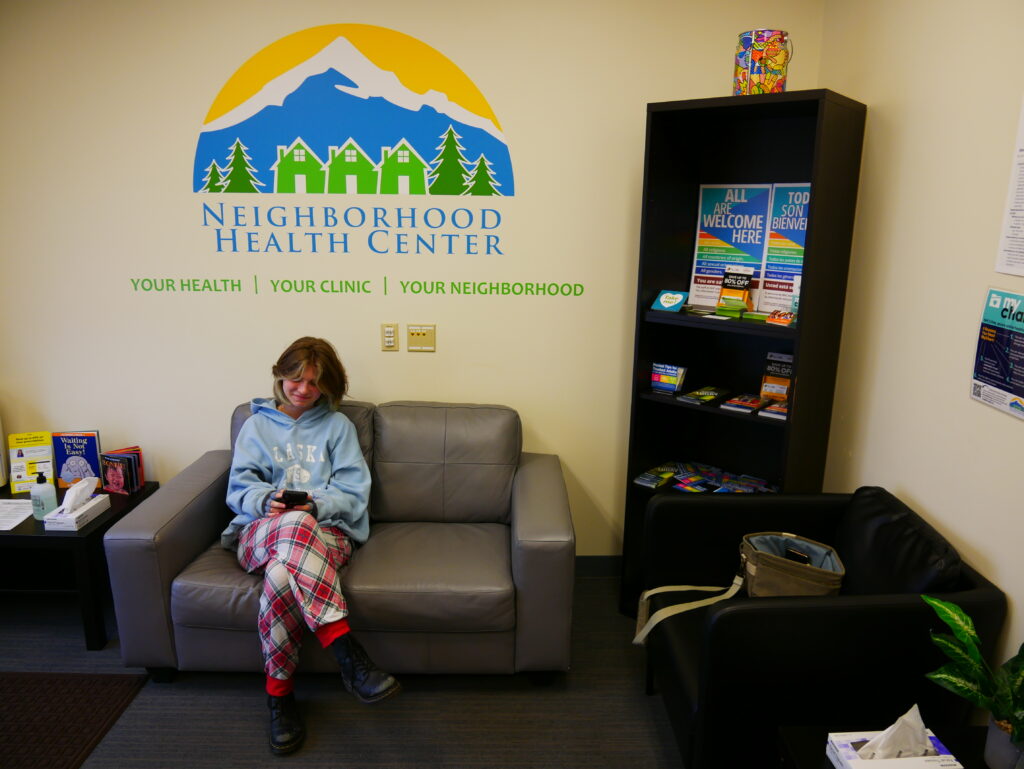
A school-based health center is a medical clinic that is located in a school or on school grounds. The staff includes medical and mental health providers, mental health providers, and other support team members.
SBHCs are not run by the school itself. They are run by healthcare organizations that partner with school districts.
NHC manages SBHCs in the Beaverton and Tigard-Tualatin school districts.
Did You Know?
According to the School-Based Health Alliance, there are more than 4,000 school-based health centers across the United States. They serve K–12 students in all kinds of communities.
SBHCs have been in Oregon since 1986, bringing care right to where students already are.
What Services Do School-based Health Centers Offer?
SBHCs offer a wide range of healthcare services. Think of it as a doctor's office, a counselor, and health classes.
Services may include:
- Routine physicals, well-child exams, and sports physicals
- Treatment of illnesses and minor injuries like ear infections, rashes, and colds
- Immunizations
- Blood pressure and vision screenings
- Behavioral health counseling for stress, anxiety, depression, and more
- Alcohol and drug counseling and prevention
- Reproductive health services and pregnancy testing
- Health counseling about nutrition, sleep, safety, and healthy habits
- Lab work and prescriptions
- Referrals to specialists, like dental, vision, or orthopedic providers
- Help connecting students and families to community resources
Not every SBHC offers every service because it depends on the school and the community. The goal is always the same: students get the care they need without leaving school.
Related: What Kids Need to Stay Healthy for the School Year
How Is an SBHC Different from the School Nurse?
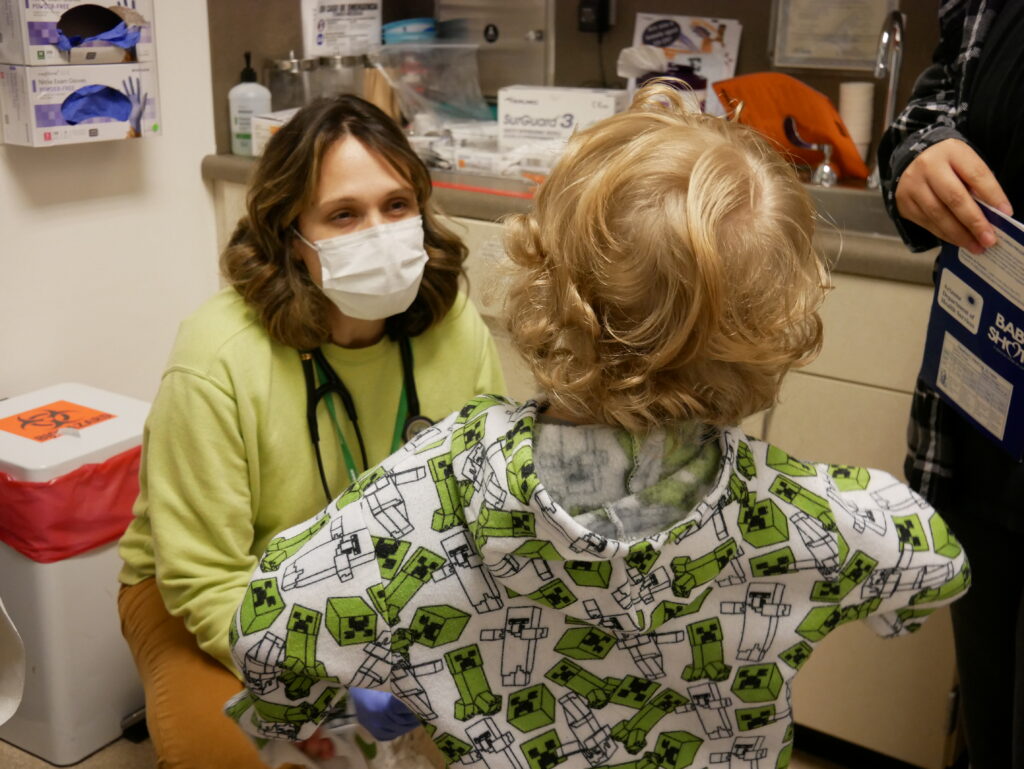
The school nurse and the SBHC are not the same thing. They do different jobs, and importantly, one does not replace the other. They work together.
School-based Health Center |
School Nurse |
| A medical clinic staffed by doctors, nurse practitioners, or physician assistants | A registered nurse employed by the school district |
| Provides primary care like treating illness, prescribing medication, and ordering lab work | Responsible for the day-to-day health of the entire school population |
| Serves students who are enrolled in the school district and their siblings | Handles health emergencies, screenings, and daily health needs for all students |
| May also provide mental health and oral health services | Develops individual health plans and emergency care plans for students with chronic conditions |
| Operated by an outside healthcare organization | Organized by the school district |
| Funded through healthcare billing, grants, and insurance | Funded through school or district education budgets |
The school nurse handles daily health needs and emergencies for all students. Many school nurses serve more than one school and work part time at each location. The SBHC is like a primary care clinic. It treats complex health concerns and provides care for students who may not have easy access to a doctor.
When both work together, students get quick support from the nurse and deeper care from the SBHC. When both are in place, students spend more time in class, grades improve, and ER visits go down.
Why Do School-based Health Centers Matter?
The equation is simple: healthy students learn better.
But for many students, getting healthcare is not simple at all. Cost, transportation, and language barriers can all get in the way. SBHCs remove those barriers by bringing care right to where students already are.
The Impact of SBHCs
- SBHCs reduce unnecessary emergency room visits and lower Medicaid costs. (School-Based Health Alliance)
- SBHCs help reduce depression and suicidal thoughts among students. (The Evidence on School-Based Health Centers, PMC)
- SBHCs improve school attendance, graduation rates, and academic performance. (NASN and SBHA Joint Statement)
- The CDC recommends SBHCs for improving health and school outcomes in low-income communities. (School-Based Health Alliance)
- When nurses refer students to the SBHC, students spend more time in class. (NASN and SBHA Fact Sheet)
SBHCs are especially important for students who do not have a regular doctor or dentist. For some students, the SBHC is the only place they get regular care.
SBHCs welcome all students, no matter who they are or what they can afford. Care is never denied because of who a student is or what they can afford.
Related: Tips for Preparing Kids for Vaccines
Your Privacy Is Protected
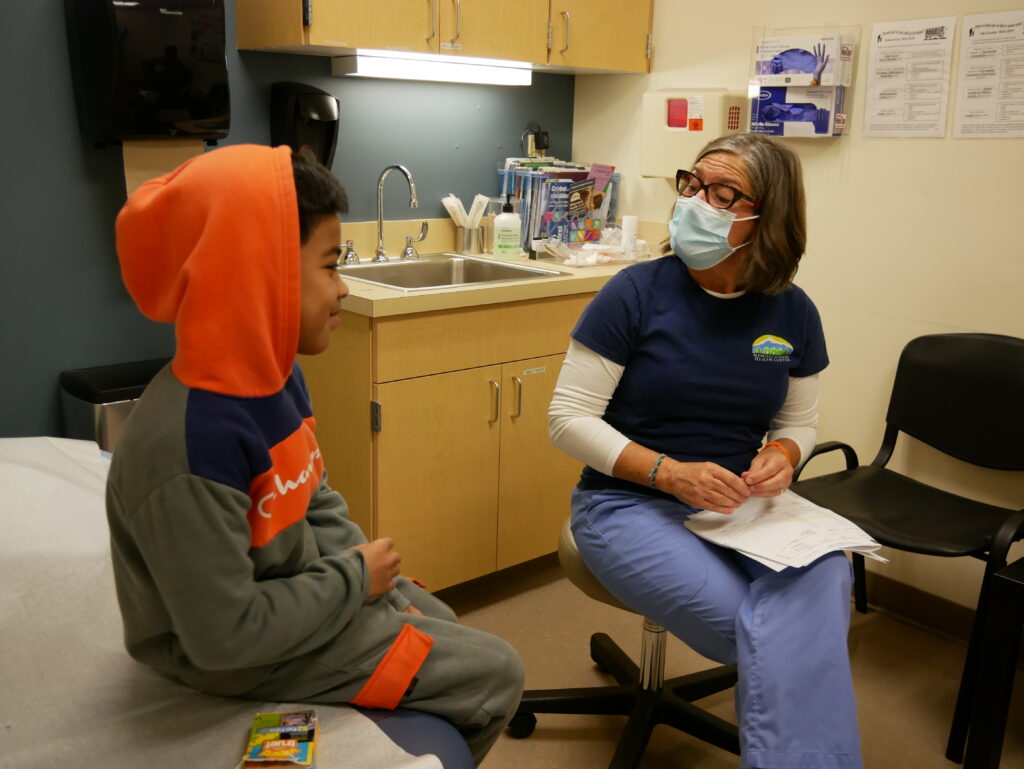
One of the most important things to know about SBHCs is that your visits are confidential. That means what a patient shares with their provider stays private, just like at any other doctor's office.
There are a few important things to know about privacy at NHC's SBHCs:
- All visits follow HIPAA privacy guidelines
- If there is a safety concern, the student will always be told before anything is shared.
These consent guidelines follow Oregon state law and may differ in other states.
- Students can get sexual health and STI services without parent consent at any age
- Students 14 and older can get behavioral health services without parent consent
- Students 15 and older can get medical and dental care without parent consent
Students can ask for help with sensitive topics without fear. Getting help is always the right choice.
Why It Matters That Kids Learn About Health Early
School-based health centers do more than treat illness. SBHCs also help students learn about their own health, and that matters more than you might think.
Knowing how to find and use health information is one of the most important skills a person can have. Research shows it matters more to your health than your age, income, or education. The good news is that it is never too early to start. Studies show that children as young as four can understand basic health concepts. They are able to take an active role in their own health when given the chance.
Health Habits Start Early
Healthy habits formed early often last into adulthood. The earlier a child learns about their health, the better.
As children grow, they can take on a bigger role in their own healthcare. Around age 5 or 6, parents can encourage their child to talk with their doctor and ask questions. By their teen years, students can fill out their own medical forms and come to visits prepared. These are not small steps. These are lifelong skills.
SBHCs are a natural place to practice exactly these skills. When a student visits an SBHC and leaves knowing more about their health, that is health literacy in action.
SBHCs help students learn about their health through counseling and talks with providers. This is not just about treating illness. It is about helping young people make healthy choices and feel confident in their own care.
Related: What is Silver Diamine Fluoride (SDF)?
NHC's School-based Health Centers
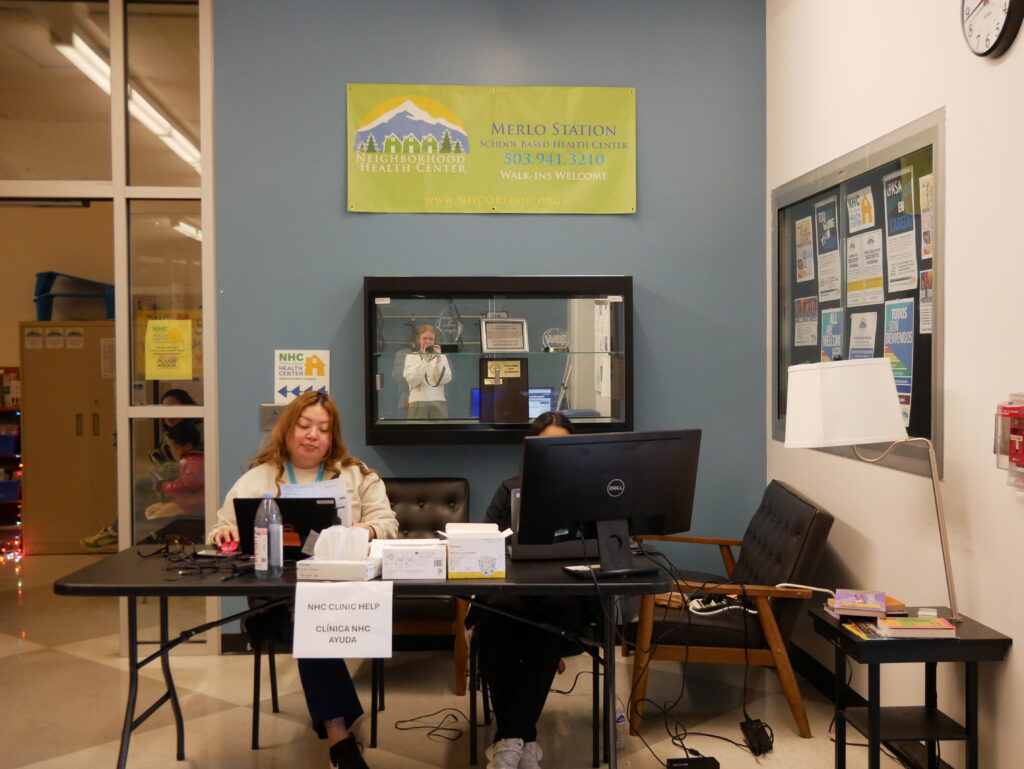
NHC runs SBHCs in two Oregon school districts. Our providers see students who might otherwise go without care, and get them back to class faster.
Services at NHC's SBHCs
- Diagnosis and treatment of minor illnesses and injuries
- Wellness physical exams and sports physicals
- Immunizations
- Blood pressure and vision screenings
- Health counseling
- Behavioral healthcare, in person and virtually
- Sexual health services, contraception, and pregnancy testing
Behavioral Health at NHC's SBHCs
NHC's Behavioral Health Consultants offer in-person and virtual visits. All patients and their families can get behavioral health support — in person or online.
Clinic Info
NHC Merlo Station School-Based Health Center

Hours of Operation
Monday – Wednesday: 8:00AM – 3:00PM (Closed 12:00 – 12:30PM for lunch)
Thursday: 8:00AM – 12:00PM
Closed Friday
Clinic Info
NHC Tualatin High School-Based Health Center
Hours of Operation
Monday – Thursday: 8:00AM – 4:30PM
Closed 12:00PM – 12:30PM for lunch daily
Friday–Sunday: Closed
This article is for informational purposes only and is not a substitute for professional medical advice, diagnosis, or treatment. Please talk with your healthcare provider for personalized health advice.
Sources
- Oregon Health Authority. Oregon School-Based Health Centers. oregon.gov/oha/ph/healthypeoplefamilies/youth/healthschool/schoolbasedhealthcenters
- Neighborhood Health Center. School-Based Health Centers in Oregon. nhcoregon.org/services/school-based-health-centers/
- Merlo Campus School. School-Based Health Center. communityschool.beaverton.k12.or.us/programs/school-based-health-center
- School-Based Health Alliance. School-Based Health Centers. sbh4all.org/school-based-health-centers/
- School-Based Health Alliance. SBHC Infographic: The Intersection of Health and Education. 2024.
- National Association of School Nurses and School-Based Health Alliance. School Nursing and School-Based Health Centers in the United States: Working Together for Student Success. Joint Statement. May 2021.
- NASN and SBHA. School-Based Health Centers and School Nurses Fact Sheet. 2017.
- Bannister A, Kelts S. The Role of the School Nurse and School-Based Health Centers. NASN Position Statement. PMID: 21675306.
- Arenson M, Hudson PJ, Lee N, Lai B. The Evidence on School-Based Health Centers: A Review. PMC6381423. 2019.
- Bánfai-Csonka H, et al. Health Literacy in Early Childhood: A Systematic Review of Empirical Studies. PMC9406303. 2022.
- Health Trends in Early Childhood Education. Exploring Health Literacy with Young Children. pakeys.org/mar26-healthliteracy/. March 2026.
- Nationwide Children's Hospital. Health Literacy and Partnering in Your Child's Care. nationwidechildrens.org. October 2023.

Kristen Weidner, SBHC Clinic Manager
This article was reviewed by Kristen Weidner, SBHC Clinic Manager at Neighborhood Health Center. Kristen oversees daily operations at NHC’s school-based health centers, ensuring students receive compassionate, coordinated care in a welcoming environment. With a focus on collaboration, quality, and continuous improvement, Kristen helps lead efforts that make care more accessible and impactful for youth and families in our community.