Why High Blood Pressure is Called the Silent Killer
High blood pressure, also known as hypertension, is one of the most common health conditions in the country. But here’s the thing: most people who have it feel completely fine. There are no clear warning signs. No pain. No obvious clues. That’s exactly why it has earned the name “the silent killer.”
Left untreated, high blood pressure can quietly damage your heart, arteries, kidneys, and brain — sometimes for years before you ever know something is wrong. The good news? It can be detected with a simple check and managed. Let’s break it down.
What is high blood pressure?
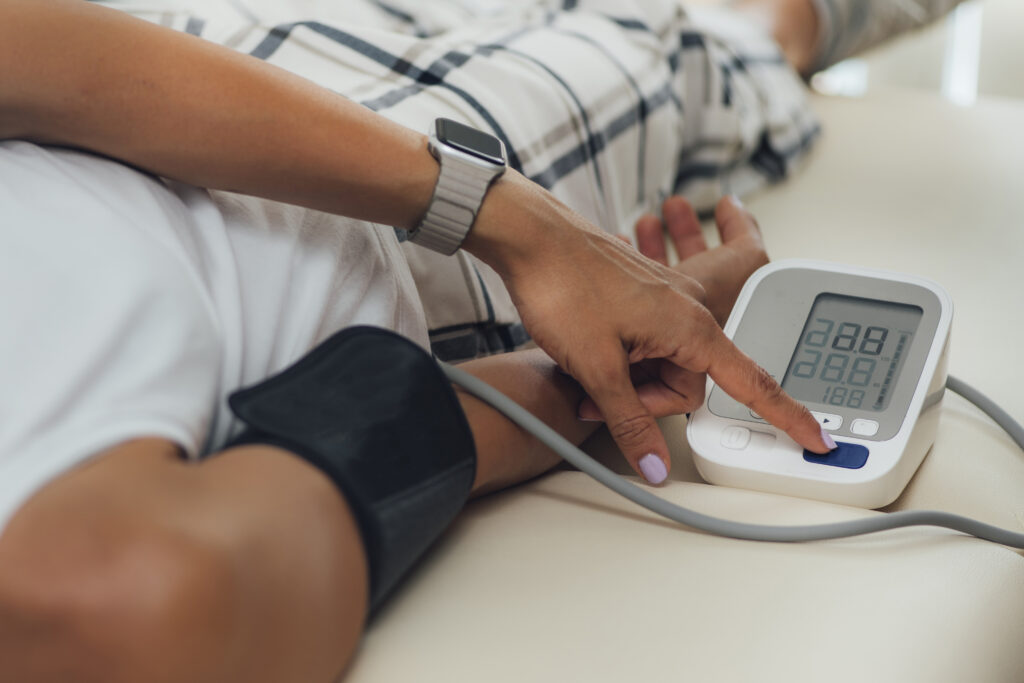
Blood pressure is the force of your blood pushing against the walls of your blood vessels as your heart pumps. When that force stays too high for too long, it makes your heart work harder than it should and slowly damages your blood vessels and organs.
A blood pressure reading has two numbers. The top number (systolic) measures the pressure when your heart beats. The bottom number (diastolic) measures the pressure when your heart rests between beats. Here is what those numbers mean:
| Category | Top number (mm Hg) | Bottom number (mm Hg) |
| Normal | Less than 120 | Less than 80 |
| Elevated | 120 to 129 | Less than 80 |
| High blood pressure — stage 1 | 130 to 139 | 80 to 89 |
| High blood pressure — stage 2 | 140 or higher | 90 or higher |
| Hypertensive crisis — seek care right away | Higher than 180 | Higher than 120 |
Emergency
If your blood pressure is higher than 180/120 and you have symptoms like chest pain, shortness of breath, back pain, sudden weakness, vision changes, or trouble speaking — call 911 right away.
Why is it called the silent killer?
Most people with high blood pressure do not have any symptoms. You can have it for years without feeling any different. In fact, the World Health Organization estimates that about 46% of adults with high blood pressure don’t know they have it.
Without symptoms, people may go a long time without getting checked (sometimes until a serious health event like a heart attack or stroke brings the condition to light). That’s the danger. The damage is happening quietly, behind the scenes.
The only way to know if you have high blood pressure is to get it checked. Regular blood pressure checks, starting at age 18, are one of the most important things you can do for your long-term health.
Related: Do You Know Your Numbers?
What can high blood pressure do to your body?
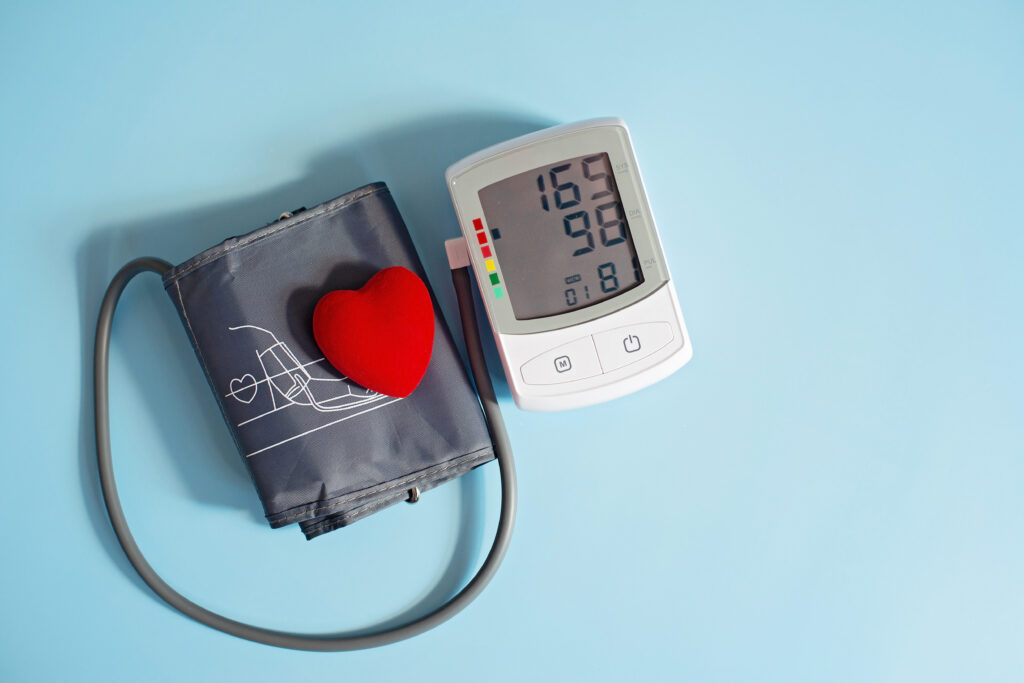
When blood pushes too hard against your artery walls over time, it causes small tears. Your body tries to fix these tears, but fat and other substances can build up at those spots and make the arteries narrower. This puts even more strain on your heart.
If left untreated, high blood pressure can lead to serious problems, including:
- Heart attack: When blood flow to the heart is blocked
- Stroke: When blood flow to the brain is cut off
- Heart failure: When the heart becomes too weak to pump blood well
- Kidney disease: High blood pressure damages the small blood vessels in the kidneys
- Vision loss: Damage to the blood vessels in your eyes
- Dementia: Changes to memory and thinking over time
What causes high blood pressure?
About 90 to 95% of cases (called primary hypertension) have no single known cause. It is usually a mix of lifestyle, environmental, and genetic factors that build up over time. The other 5 to 10% (called secondary hypertension) is caused by another condition or substance that can often be identified and treated directly.
Things you can change:
- Eating a diet high in salt
- Being overweight or obese
- Not getting enough physical activity
- Smoking or using tobacco
- Drinking too much alcohol
- Low intake of potassium, calcium, and fiber
- High stress levels over time
Things you cannot change:
- Getting older
- Family history of high blood pressure
- Certain chronic conditions like diabetes or kidney disease
- Obstructive sleep apnea (OSA)
- Certain medications (including some over-the-counter drugs and herbal supplements)
Some medications and supplements can raise blood pressure, including certain pain relievers, decongestants, and herbal products. Always let your provider know everything you are taking, including vitamins and over-the-counter medications.
Related: Tips for Managing Diabetes at Home
How is high blood pressure treated?
The good news is that high blood pressure can be managed. In many cases, lifestyle changes can make a real difference. The 2025 guidelines from the American Heart Association and American College of Cardiology identify these as the most effective steps:
- Eat less salt. The ideal goal is under 1,500 mg of sodium per day. Even cutting back gradually can help lower blood pressure by 6 to 8 mm Hg.
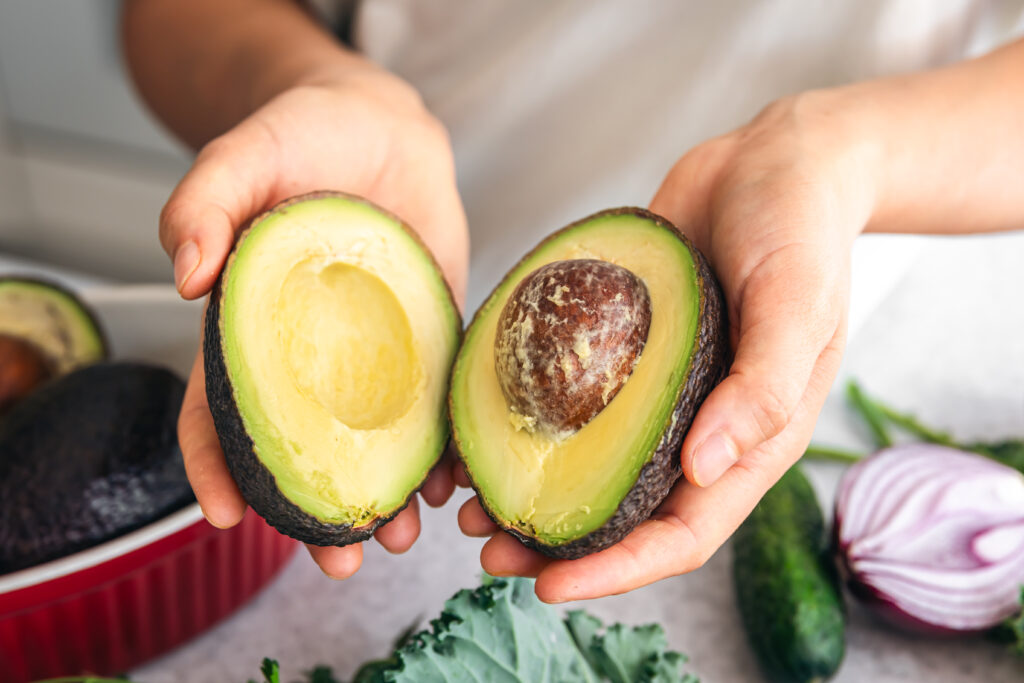
- Eat more potassium-rich foods. Aiming for 3,500 to 5,000 mg of potassium a day (through foods like bananas, avocados, potatoes, and leafy greens) can lower blood pressure by about 6 mm Hg.
- Follow a heart-healthy eating pattern. The DASH diet, which is rich in fruits, vegetables, whole grains, and low-fat dairy, can lower blood pressure by 5 to 8 mm Hg.
- Move more. Aim for at least 150 minutes of aerobic activity per week. Regular exercise can lower blood pressure by 4 to 8 mm Hg.
- Reach a healthy weight. Losing just 5% of your body weight can lower blood pressure by 6 to 8 mm Hg.
- Quit smoking. Tobacco raises blood pressure and damages blood vessels.
- Limit alcohol. The optimal goal is no alcohol. If you do drink, aim for no more than one drink per day for women and two for men.
If lifestyle changes are not enough, your provider may prescribe medication to help bring your numbers down. Many people take more than one type of medication. The right plan depends on your health history and your numbers. Your NHC provider will work with you to find what fits best.
If you are already taking blood pressure medication, keep taking it (even when you feel fine). High blood pressure often has no symptoms, so feeling okay does not mean the medication is no longer needed.
What you can do right now
Even if you feel fine, you can still take action.
- Get your blood pressure checked and use the right technique. You can check it at your NHC clinic, at a pharmacy, or at home with a blood pressure monitor. But where you check matters less than how you check. Many people get inaccurate readings without realizing it.
- Know your numbers. A normal reading is less than 120/80. If yours is higher, talk to your provider.
- Don’t skip your check-ups. Regular visits are how we catch changes early, before they become bigger problems.
- Take your medication as prescribed. If side effects are an issue, talk to your provider. There are many options.
Related: Why Oral Health Matters for Your Heart, Diabetes, and More
How to check your blood pressure correctly
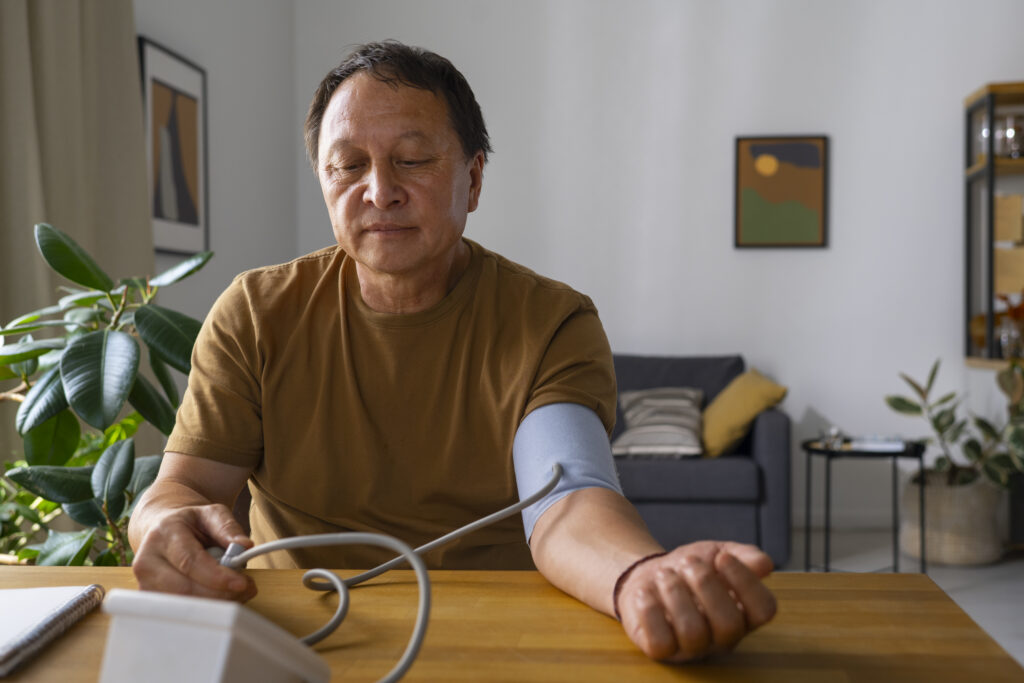
According to the American Heart Association, the way you measure your blood pressure matters just as much as what the number says. Here is how to get an accurate reading at home:
Before you measure:
- Avoid smoking, caffeine, alcohol, and exercise for at least 30 minutes beforehand
- Use a validated blood pressure device with the correct cuff size (visit ValidateBP.org to find a trusted device)
- Empty your bladder
- Sit quietly for at least 5 minutes — do not talk
During the measurement:
- Sit upright with your back supported, feet flat on the floor, and legs uncrossed
- Rest your arm on a flat surface at heart level
- Wrap the cuff on your bare skin, just above the bend of the elbow (not over clothing)
- Stay relaxed and do not talk during the reading
- Take at least two readings, one minute apart, and record both
Share your home readings with your NHC provider at your next visit. Home readings help your care team get a fuller picture of your blood pressure, especially since readings taken at home are often different from those taken in a clinic setting.
We're Here to Help
Have questions about your blood pressure or heart health? Your NHC care team is here to help. Talk to your provider at your next visit or call us to schedule an appointment.
The information in this article is for educational purposes only and is not a substitute for medical advice, diagnosis, or treatment. Please talk with your care team about questions or concerns related to your health.
Sources
- U.S. Food and Drug Administration. (2024, April 11). High blood pressure — understanding the silent killer. https://www.fda.gov/drugs/information-consumers-and-patients-drugs/high-blood-pressure-understanding-silent-killer
- American Heart Association. (2025, August 14). High blood pressure: Why it's called the silent killer. https://www.heart.org/en/health-topics/house-calls/high-blood-pressure-the-silent-killer
- American Heart Association. (2025, August 14). What is high blood pressure? https://www.heart.org/en/health-topics/high-blood-pressure/the-facts-about-high-blood-pressure
- Cleveland Clinic. (2025, September 23). Hypertension (high blood pressure). https://my.clevelandclinic.org/health/diseases/4314-hypertension-high-blood-pressure
- Venugopal, S. (2024, May 17). Hypertension: The silent killer. UC Davis Health. https://health.ucdavis.edu/news/headlines/hypertension-the-silent-killer/2024/05
- Jones, D. W., Bhatt, D. L., Bhatt, D. L., Ferdinand, K. C., Himmelfarb, C. D., Jamerson, K. A., Laffer, C. L., Muntner, P., Pemu, P., Ru, M., Shimbo, D., Townsend, R. R., Yano, Y., & Wiggins, B. S. (2025). 2025 AHA/ACC/AANP/AAPA/ABC/ACCP/ACPM/AGS/AMA/ASPC/NMA/PCNA/SGIM guideline for the prevention, detection, evaluation, and management of high blood pressure in adults. Hypertension, 82, e212–e316. https://doi.org/10.1161/HYP.0000000000000249
- American Heart Association. (2025). Home blood pressure measurement instructions [Infographic]. https://www.heart.org/BP

Victor Abreu, PharmD, Clinical Pharmacist
This blog was reviewed by Victor Abreu, PharmD, a Clinical Pharmacist at NHC Milwaukie Medical Clinic and NHC Canby Medical and Dental Clinic. Dr. Abreu earned his Doctor of Pharmacy from Oregon State University and his Bachelor of Science from Universidad Ana G. Mendez in San Juan, Puerto Rico. After completing a pharmacy residency in a community health setting, he joined NHC, where he supports patients with chronic diseases and precepts pharmacy students through the OSU/OHSU College of Pharmacy.