What is Preventive Care?
A Simple Guide to Staying Healthy at Every Age
Preventive care helps people stay healthy and catch health problems early.
Most people visit a doctor when they feel sick or injured. But healthcare is also important before problems start. Preventive care focuses on protecting your health and finding possible concerns early.
Preventive care includes services like:
- Checkups and wellness visits
- Health screenings
- Vaccines
- Dental exams and cleanings
- Mental health screenings
- Counseling about healthy habits
These services help providers identify health concerns early and reduce the risk of serious illness later in life.
At Neighborhood Health Center (NHC), preventive care is part of whole-person care. That means supporting your physical health, dental health, mental health, and medications together.
This guide explains what preventive care means, why it matters, and how it supports health at every age.

What Is Preventive Care and Why Does It Matter?
Preventive care is healthcare that helps prevent illness or detect health problems early.
The goal is to help people stay healthy and reduce the risk of disease. Preventive care can also help limit the impact of chronic conditions.
Chronic diseases are health conditions that last a year or more and often require ongoing care. Examples include heart disease, diabetes, arthritis, and some cancers. In fact, more than half of adults in the United States live with at least one chronic disease, and these conditions are leading causes of death or disability.
When health problems are found early, they may be easier to treat or manage. That is why regular preventive care matters so much.
Preventive care services may include:
- Annual wellness visits or physical exams
- Blood pressure, cholesterol, or diabetes screenings
- Cancer screenings
- Vaccines
- Mental health screenings
- Counseling about nutrition, exercise, and stress
Preventive Care at NHC
At Neighborhood Health Center (NHC), preventive care is part of whole-person care.
Your care team may include:
- Primary care providers
- Dental providers and hygienists
- Behavioral health consultants
- Pharmacists
These teams work together to support your health. For example, during a preventive visit, you might:
- Talk with a provider about your health history
- Receive recommended screenings or vaccines
- Discuss stress or mental health concerns
- Ask questions about medications
Many preventive services can happen during the same visit, which helps make care easier to access.
Preventive Care Across Your Whole Health
Preventive care includes many areas of healthcare. It is not limited to medical visits.
At NHC, preventive care may include services across several areas.
Medical Care
Primary care providers offer routine checkups, screenings, vaccines, and counseling.
During preventive visits, providers may check your:
- Blood pressure
- Weight and height
- Heart rate
- Overall health history
Providers may also recommend screenings or tests based on your age and health history.
These visits help track your health over time.
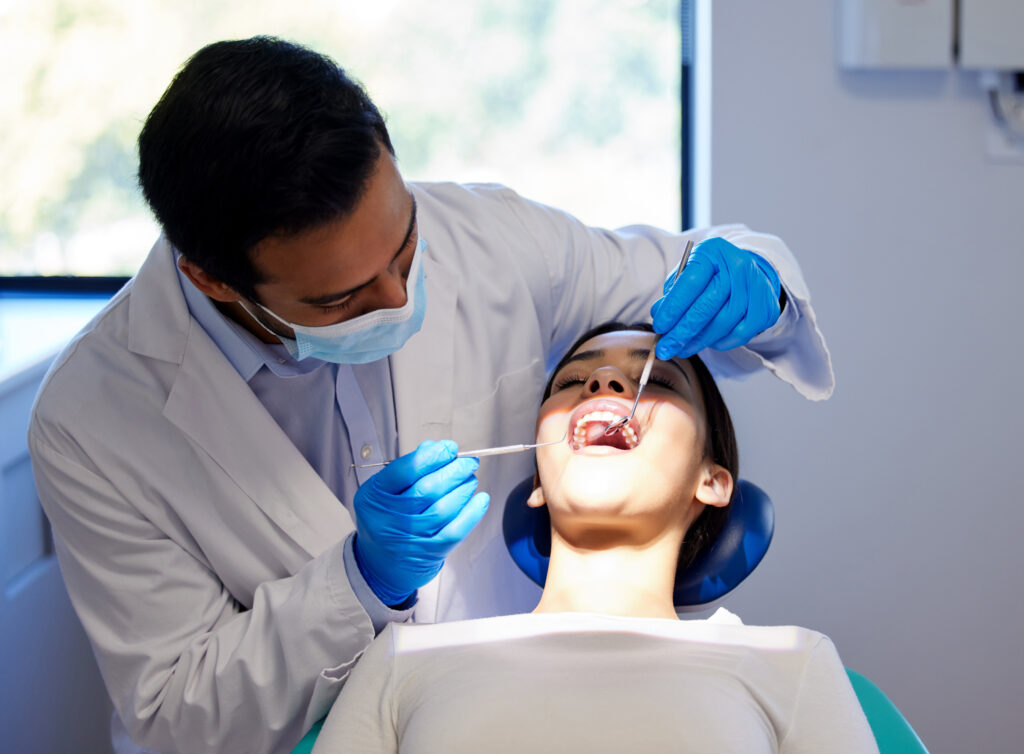
Dental Care
Preventive dental care helps protect your teeth and gums.
Preventive dental services may include:
- Dental exams
- Professional cleanings
- Oral cancer screenings
- Education about brushing and flossing
Regular dental visits help remove plaque and tartar that can cause cavities or gum disease.
Finding dental problems early can prevent more serious oral health issues later.
Behavioral Health
Preventive care also includes mental and emotional health.
Providers may screen for:
- Depression
- Anxiety
- Stress
Behavioral health consultants can help patients develop healthy coping skills and manage challenges that affect their well-being.
Supporting mental health is an important part of overall health.
Pharmacy Services
Pharmacists play an important role in preventive care.
They can help patients:
- Understand how medications work
- Manage prescriptions safely
- Prevent medication problems
- Answer questions about medications
Pharmacists help ensure medications are used safely and effectively.
Examples of Preventive Care by Age
Preventive care needs change as people grow and age.
Providers recommend different screenings and services depending on factors such as age, health history, and risk factors.
Below are examples of preventive care during different life stages. These examples are not a complete list, and every person’s care may be different.
Babies and Young Children
Preventive care begins early in life.
Babies and young children often receive well-baby or well-child visits. These visits help providers monitor growth and development.
Preventive care for children may include:
- Well-baby and well-child visits
- Childhood vaccines
- Hearing and vision screenings
- Developmental screenings
- Autism screening during early childhood
- Height and weight checks
- Oral health assessments
These visits also give parents a chance to discuss nutrition, safety, and child development.
School-Age Children and Teens
Preventive care continues as children grow.
Preventive services for school-age children and teens may include:
- Routine checkups
- Vaccinations
- Vision and hearing screenings
- Blood pressure checks
- Behavioral health screenings
- Depression screening for adolescents
- Screening for education or learning concerns, such as ADHD or learning disabilities
- Education about healthy habits
These visits help young people build healthy routines that support long-term health.
Adults
Preventive care remains important throughout adulthood.
Routine wellness visits help providers track changes in health over time.
Preventive care for adults may include:
- Annual wellness visits
- Blood pressure screenings
- Cholesterol screenings
- Diabetes screenings
- Cancer screenings
- Vaccinations
- Mental health screenings
- Counseling about nutrition and physical activity
These services help identify risks and support long-term health.
Older Adults
Preventive care continues to support health as people age.
Preventive care for older adults may include:
- Yearly wellness visits
- Cardiovascular disease screenings
- Diabetes screenings
- Bone density tests
- Cancer screenings
- Vaccines such as flu and pneumococcal vaccines
- Depression screenings
Regular preventive visits help older adults stay active and maintain independence.

Preventive Care and Family Health History
Family health history can affect your risk for certain health conditions.
Family health history includes information about diseases or conditions that have affected your relatives, such as:
- Heart disease
- Diabetes
- Cancer
- Osteoporosis
You cannot change your genes, but you can take steps to protect your health.
Sharing your family health history with your provider can help guide preventive care decisions and screenings.
What Preventive Care Is Covered by OHP and Medicare
Many insurance plans cover preventive care. This includes the Oregon Health Plan (OHP) and Medicare.
Preventive services help people stay healthy, detect health problems early, and prevent certain diseases.
Coverage may vary depending on your insurance plan and provider.
Preventive Care Covered by the Oregon Health Plan
The Oregon Health Plan covers many preventive services.
Preventive services may include:
- Routine checkups and wellness visits
- Vaccinations
- Health screenings such as blood pressure or diabetes tests
- Behavioral health screenings
- Dental checkups and cleanings
- Counseling about nutrition, exercise, and other healthy habits
These services help patients monitor their health and address concerns early.
Preventive visits are different from visits for illness or injury. They focus on maintaining health and identifying possible risks.
If you have OHP, your provider can help explain which preventive services are recommended for you.
Preventive Care Covered by Medicare
Medicare Part B covers many preventive services.
These services help detect health problems early and support overall health.
Examples include:
- A one-time “Welcome to Medicare” visit
- Yearly wellness visits
- Cancer screenings such as mammograms and colonoscopies
- Cardiovascular disease screenings
- Diabetes screenings
- Depression screenings
- Vaccines such as flu and COVID-19 vaccines
Many preventive services are covered at no cost when provided by a healthcare provider who accepts Medicare assignment.

What Happens During a Preventive Visit?
A preventive visit focuses on overall health and wellness.
During the visit, your provider may:
- Review your medical history
- Check your height, weight, and blood pressure
- Ask questions about your lifestyle and health habits
- Discuss family health history
- Recommend screenings or vaccines
- Provide guidance about nutrition, exercise, or stress
These visits help providers understand your health and create a plan to support your long-term well-being.
How to Schedule Preventive Care at NHC
Preventive care starts with scheduling a visit.
Neighborhood Health Center offers preventive care for patients of all ages.
You can schedule an appointment by:
- Calling one of our clinic locations
- Requesting an appointment through MyChart
- Speaking with the receptionist during a visit
If you are not yet a patient, our team can help you get started.
Preventive visits are a good time to ask questions, discuss health goals, and stay up to date on recommended screenings and vaccines.
Support Your Well-Being
Preventive care helps people stay healthy and catch health concerns early.
It includes services like checkups, screenings, vaccines, dental care, and mental health support. These services help protect your health and support your well-being at every stage of life.
Regular preventive visits help you understand your health and take steps to protect it.
Your care team can help guide you on what preventive services are right for you.
The information in this article is for educational purposes only and is not a substitute for medical advice, diagnosis, or treatment. Please talk with your care team about questions or concerns related to your health.
Sources
Centers for Medicare & Medicaid Services
https://www.cms.gov/priorities/innovation/key-concepts/preventive-care
Cleveland Clinic
https://my.clevelandclinic.org/health/articles/prophylaxis-preventive-care
Centers for Disease Control and Prevention
https://www.cdc.gov/chronic-disease/prevention/preventive-care.html
Medicare
https://www.medicare.gov/coverage/preventive-screening-services
Healthcare.gov — Preventive Care for Adults
https://www.healthcare.gov/preventive-care-adults/
Healthcare.gov — Preventive Care for Children
https://www.healthcare.gov/preventive-care-children/
Healthcare.gov — Preventive Care for Women
https://www.healthcare.gov/preventive-care-women/
Sanford Health
https://news.sanfordhealth.org/healthy-living/what-is-preventive-care/

Celeste Craven, Family Nurse Practitioner
This article was reviewed by Celeste Craven, FNP, a Family Nurse Practitioner at NHC's Tanasbourne Medical Clinic and Merlo Station School-based Health Center. Celeste earned her Master of Science in Nursing from Chamberlain University in Addison, Illinois. She brings over 15 years of experience across a wide range of settings, including emergency care, pediatric inpatient care, and case management for women and children's services. At NHC, she provides primary care services to patients of all ages, backgrounds, and current states of wellness.